
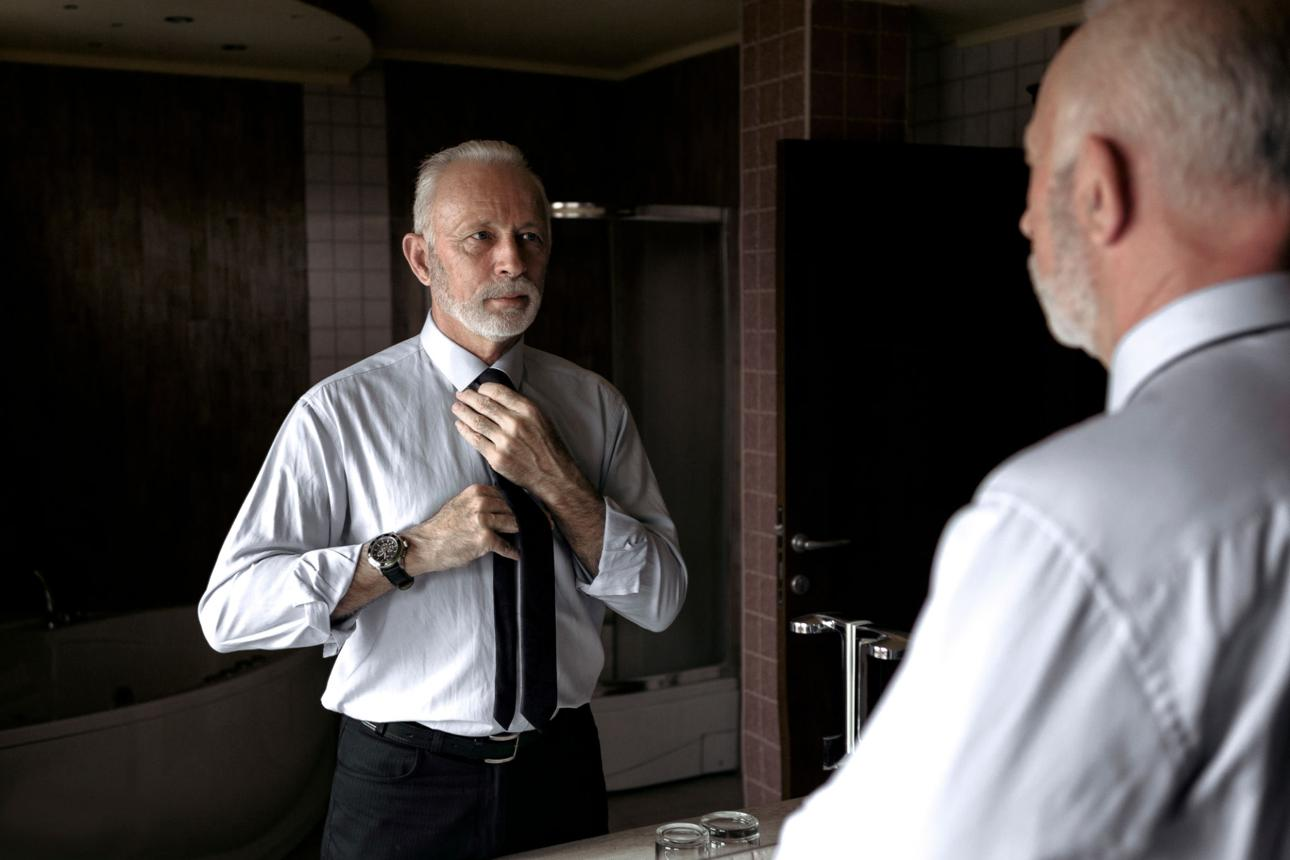
A polished appearance is rarely the result of expensive products or perfect genetics. More often, it comes from consistent grooming habits that improve cleanliness, presentation, and personal confidence. From skincare and hair maintenance to clothing care and personal hygiene, small daily practices create a noticeable difference. Understanding which habits matter most can help people look more professional, approachable, and put-together in both personal and professional settings.
Why Grooming Matters More Than Many People Realize
When people think about appearance, they often focus on fashion, fitness, or physical features. Yet grooming frequently has a greater influence on how others perceive someone. Clean hair, healthy skin, maintained facial hair, and well-kept clothing often communicate attention to detail, self-respect, and professionalism.
Research from organizations studying workplace impressions consistently shows that appearance influences first impressions within seconds. While grooming alone does not determine competence or character, it often shapes initial perceptions before a conversation even begins.
Consider two professionals wearing similar business attire. One has neatly styled hair, clean shoes, trimmed nails, and well-maintained skin. The other has wrinkled clothing, unkempt hair, and neglected grooming. Most people will immediately perceive the first individual as more organized and professional.
The difference is not necessarily attractiveness. It is presentation.
Consistency Beats Complexity
One of the biggest misconceptions about grooming is that it requires extensive routines or expensive products.
In reality, individuals who consistently appear polished often follow simple habits performed regularly. Their success comes from discipline rather than complexity.
Common examples include:
- Washing and moisturizing skin daily
- Maintaining a regular haircut schedule
- Keeping nails clean and trimmed
- Replacing worn personal-care items
- Ensuring clothing remains clean and wrinkle-free
These actions require relatively little time but create cumulative benefits over months and years.
A person spending ten minutes each day on grooming typically achieves better long-term results than someone attempting occasional intensive makeovers.
Skin Care: The Foundation of a Refined Appearance
Healthy skin is often one of the first indicators of good grooming.
Contrary to marketing claims, effective skincare usually focuses on a few fundamentals rather than a large collection of products.
Most dermatologists recommend a routine centered around:
- Gentle cleansing
- Daily moisturizing
- Consistent sunscreen use
- Targeted treatment when necessary
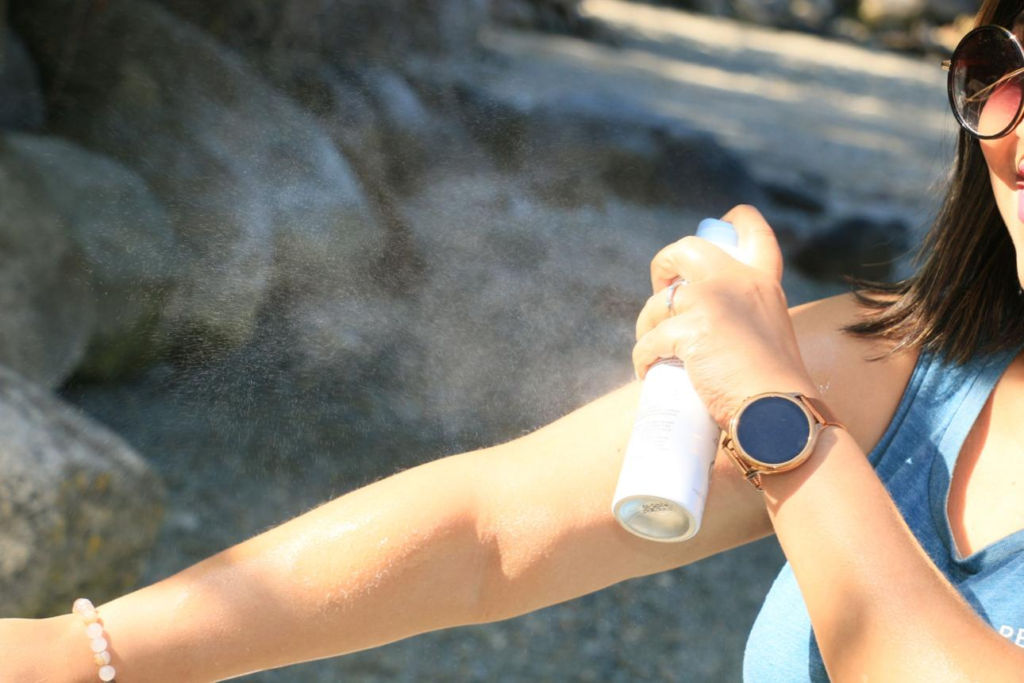
Sun protection deserves particular attention. According to the American Academy of Dermatology, regular sunscreen use helps reduce premature aging caused by ultraviolet exposure.
People with polished appearances often prioritize skin protection because prevention is easier than correction.
For example, a professional who applies sunscreen every morning may preserve smoother skin and more even pigmentation over time compared with someone who neglects sun protection entirely.
Hair Maintenance Creates Immediate Visual Impact
Hair is among the most noticeable elements of personal presentation.
Whether someone wears their hair short, long, curly, straight, natural, or styled, maintenance matters more than trendiness.
Common habits associated with well-groomed individuals include:
- Scheduling regular trims
- Addressing excessive dryness or damage
- Using products appropriate for their hair type
- Keeping hairstyles intentional rather than neglected
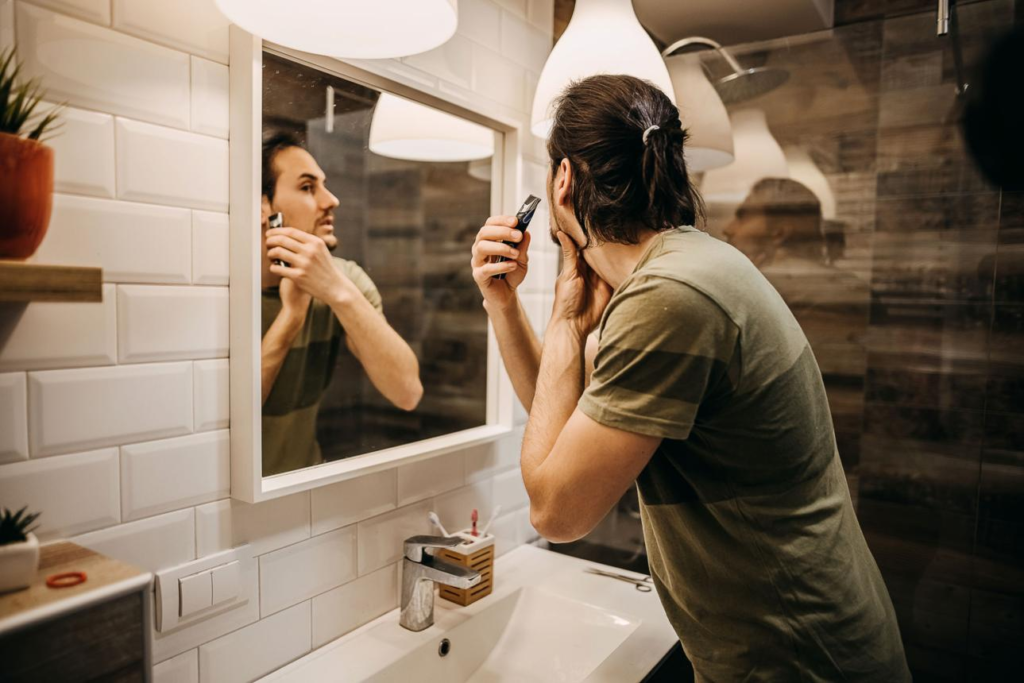
The same principle applies to facial hair.
A beard can enhance appearance when properly maintained, but even a naturally attractive beard can appear careless without regular trimming and shaping.
Similarly, clean-shaven individuals often benefit from maintaining sharp shaving practices and proper post-shave skin care.
The goal is not perfection. It is intentionality.
Dental Care Often Determines Overall Presentation
Many appearance discussions overlook oral hygiene, despite its major influence on confidence and social interaction.
People often notice:
- Breath freshness
- Tooth cleanliness
- Gum health
- Smile appearance
Strong grooming habits frequently include:
- Brushing twice daily
- Flossing regularly
- Attending routine dental visits
- Limiting habits that contribute to staining
A polished smile does not require cosmetic dentistry. Consistent oral care alone can dramatically improve appearance and confidence.
For example, professionals who prioritize routine cleanings often maintain healthier smiles than those who seek treatment only after problems develop.
Clothing Care Is Part of Grooming
Many people separate fashion from grooming, but the two overlap significantly.
Even expensive clothing can appear unimpressive if poorly maintained.
Well-groomed individuals typically pay attention to:
- Wrinkles
- Loose threads
- Fabric wear
- Stains
- Proper fit
Interestingly, clothing maintenance often creates a stronger impression than clothing price.
A properly fitted, clean, and pressed shirt from an affordable retailer frequently appears more polished than a luxury garment that is wrinkled or poorly maintained.
Simple habits such as steaming clothing, polishing shoes, and replacing damaged garments contribute substantially to overall presentation.
Personal Hygiene Remains the Non-Negotiable Standard
Regardless of style preferences, personal hygiene forms the foundation of grooming.
Key practices include:
- Regular bathing
- Effective deodorant use
- Hand cleanliness
- Fresh breath maintenance
- Clean hair and scalp care
Good hygiene affects not only appearance but also social comfort.
In professional settings, neglecting hygiene can distract from skills and accomplishments. In personal relationships, it can influence comfort and communication.
People who consistently appear polished generally treat hygiene as a daily standard rather than an occasional concern.
Nail Care Signals Attention to Detail
Nails are surprisingly visible during daily interactions.
Whether typing, shaking hands, handling documents, or using mobile devices, hands often attract attention.
Maintained nails generally involve:
- Regular trimming
- Clean nail beds
- Moisturized skin
- Management of hangnails
This habit is often associated with professionalism because it reflects attention to small details.
Many executives, sales professionals, healthcare workers, and client-facing employees prioritize nail care because of how frequently their hands are observed.
Fragrance Should Complement, Not Dominate
One common grooming mistake involves overusing fragrance.
A polished appearance extends beyond visual presentation to sensory impressions.
The most effective fragrance strategy is usually subtle.
Best practices include:
- Applying fragrance sparingly
- Prioritizing cleanliness over scent
- Selecting fragrances appropriate for the setting
- Avoiding overwhelming applications
People are generally more likely to remember excessive fragrance negatively than subtle fragrance positively.
The goal is freshness rather than attention.

Sleep and Hydration Influence Grooming Results
Many visible grooming outcomes originate from lifestyle habits rather than grooming products.
Sleep affects:
- Eye appearance
- Skin quality
- Energy levels
- Facial expression
Hydration contributes to:
- Skin appearance
- Lip condition
- Overall vitality
Someone consistently sleeping seven to nine hours and maintaining adequate hydration often appears healthier than someone relying solely on cosmetic solutions.
This explains why polished appearance is frequently connected to overall wellness.
External grooming works best when supported by healthy internal habits.
Grooming Habits in Professional Settings
Workplace expectations continue to evolve, but grooming remains relevant across industries.
Modern professional grooming is generally less about conformity and more about presentation.
Employees can often express individuality while maintaining professional standards.
Common workplace grooming strengths include:
- Neat hairstyles
- Maintained facial hair
- Clean footwear
- Appropriate clothing care
- Consistent hygiene
These habits help minimize distractions and allow skills, communication, and expertise to remain the focus.
Common Grooming Mistakes That Undermine Appearance
Many people focus on adding new products while overlooking basic mistakes.
Some of the most common issues include:
- Inconsistent skincare routines
- Overgrown hairstyles
- Neglected eyebrows
- Wrinkled clothing
- Poor posture
- Excessive fragrance
- Dry or cracked skin
- Ignoring dental health
Correcting these habits often produces greater improvement than purchasing expensive grooming products.
Small adjustments frequently generate noticeable results.
Building a Sustainable Grooming Routine
The most effective grooming routine is one that can be maintained consistently.
A practical approach might include:
Daily:
- Brush and floss teeth
- Cleanse and moisturize skin
- Apply sunscreen
- Maintain personal hygiene
Weekly:
- Trim nails
- Inspect clothing condition
- Groom facial hair
- Deep-clean personal grooming tools
Monthly:
- Haircut or style maintenance
- Replace worn grooming products
- Evaluate seasonal skincare needs
Creating a realistic routine increases the likelihood of long-term success.
Frequently Asked Questions
1. What is the most important grooming habit?
Consistent personal hygiene is generally the most important grooming habit because it influences cleanliness, comfort, and overall presentation.
2. Does grooming really affect first impressions?
Yes. Research consistently shows that appearance contributes significantly to first impressions, particularly in professional and social settings.
3. How often should hair be trimmed?
This depends on hairstyle and hair type, but many people benefit from trims every four to eight weeks.
4. Is expensive skincare necessary?
No. Effective skincare typically relies on cleansing, moisturizing, and sunscreen rather than luxury products.
5. How important is dental care for appearance?
Dental care is highly important because smile quality, breath freshness, and oral health strongly influence overall presentation.
6. What grooming mistakes are most common?
Neglected haircuts, wrinkled clothing, poor skincare consistency, and excessive fragrance use are among the most common mistakes.
7. Can grooming improve professional opportunities?
While grooming does not replace skills or qualifications, it can positively influence first impressions and professional perception.
8. How much time should daily grooming take?
Most effective routines can be completed in 10 to 20 minutes per day.
9. Does grooming matter equally for men and women?
Yes. While specific routines may differ, grooming principles such as cleanliness, maintenance, and presentation apply universally.
10. What is the easiest grooming improvement to make immediately?
Ensuring clean clothing, proper hygiene, moisturized skin, and a maintained hairstyle often produces noticeable improvements quickly.