
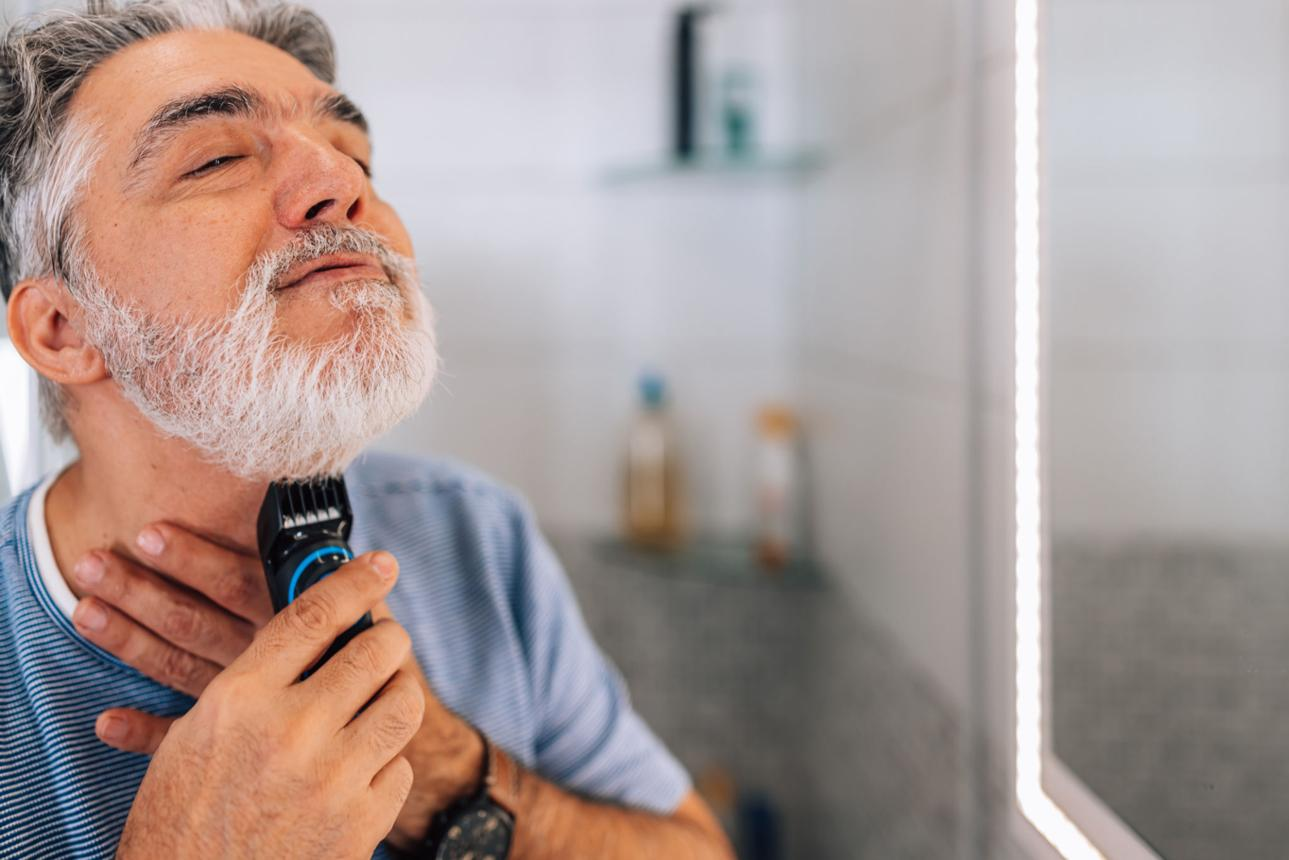
Personal grooming in America is evolving beyond appearance alone. Modern consumers increasingly view grooming as a combination of health, confidence, professionalism, convenience, and self-care. From simplified skincare routines and workplace-ready grooming habits to men’s wellness-focused grooming and technology-driven products, these trends are influencing how Americans present themselves in both professional and everyday settings. Understanding these changes can help individuals make practical grooming choices that align with modern lifestyles.
Why Grooming Has Become More Than a Beauty Topic
Personal grooming was once largely associated with appearance and fashion. Today, it occupies a much broader role in American life. Professionals, students, entrepreneurs, and retirees increasingly view grooming as an extension of personal wellness, confidence, and social communication.
The shift reflects broader cultural changes. Remote work, hybrid workplaces, social media visibility, wellness awareness, and increased access to expert information have all contributed to changing expectations around personal care.
Modern grooming is no longer centered on achieving a particular look. Instead, it focuses on looking healthy, feeling confident, and presenting oneself appropriately across different environments. Americans are investing more thoughtfully in routines that improve comfort, skin health, hair maintenance, and overall appearance without necessarily requiring extensive time commitments.
This transformation is reshaping both consumer behavior and workplace norms across the country.
The Rise of Skin Health Over Cosmetic Perfection
One of the most significant grooming trends in America is the shift toward skin health rather than cosmetic concealment.
Consumers are increasingly prioritizing preventive care over corrective solutions. Dermatologists report growing interest in sunscreen use, hydration, barrier repair, and consistent skincare habits. Instead of searching for quick fixes, many Americans are building sustainable routines focused on long-term results.
A decade ago, discussions about skincare were often associated primarily with women. Today, skincare has become mainstream across age groups and genders.
Popular priorities now include:
- Daily sun protection
- Gentle cleansing routines
- Moisturizing for skin barrier health
- Anti-aging prevention
- Acne management for adults
- Ingredient transparency
For example, many professionals now keep simplified morning routines consisting of cleanser, moisturizer, and SPF protection. These practical approaches fit busy schedules while supporting healthier skin over time.
The growing popularity of dermatologist-recommended products reflects consumers’ preference for evidence-based solutions rather than marketing-driven promises.
Men’s Grooming Continues Expanding Into Mainstream Culture
Men’s grooming has experienced substantial growth in recent years and continues to reshape American consumer habits.
Traditionally, men’s grooming often focused on shaving and basic hygiene. Today’s market includes skincare, beard care, hair health, fragrance selection, and wellness-oriented self-care products.
The cultural conversation has shifted significantly. Grooming is increasingly viewed as part of professional readiness and personal confidence rather than vanity.
Many employers and recruiters note that polished grooming often contributes positively to first impressions during interviews, networking events, and client interactions.
Common areas of focus now include:
- Beard maintenance
- Scalp health
- Skincare routines
- Professional hair styling
- Nail care
- Fragrance selection
Younger generations, particularly Millennials and Gen Z professionals, have helped normalize these practices. Social media creators, dermatologists, barbers, and grooming experts have also contributed to greater education and accessibility.
As a result, grooming products designed specifically for men have become one of the fastest-growing segments of the personal care industry.
Hybrid Work Is Changing Grooming Expectations
The rise of remote and hybrid work has created an interesting shift in grooming habits.
When millions of Americans began working from home, many expected grooming standards to decline. Instead, the opposite occurred in many cases.
Video meetings introduced a new kind of visibility. Individuals became more aware of facial appearance, skin quality, hair maintenance, and overall presentation on camera.
Unlike traditional office environments, virtual meetings often place a person’s face at the center of attention. This has encouraged many professionals to invest in:
- Better skincare routines
- Improved hair maintenance
- Teeth whitening products
- Groomed facial hair
- Camera-friendly appearance habits
At the same time, hybrid work has encouraged more practical grooming routines. Americans increasingly seek efficient solutions that provide results without requiring excessive time.
This balance between professionalism and convenience has become a defining characteristic of modern grooming culture.
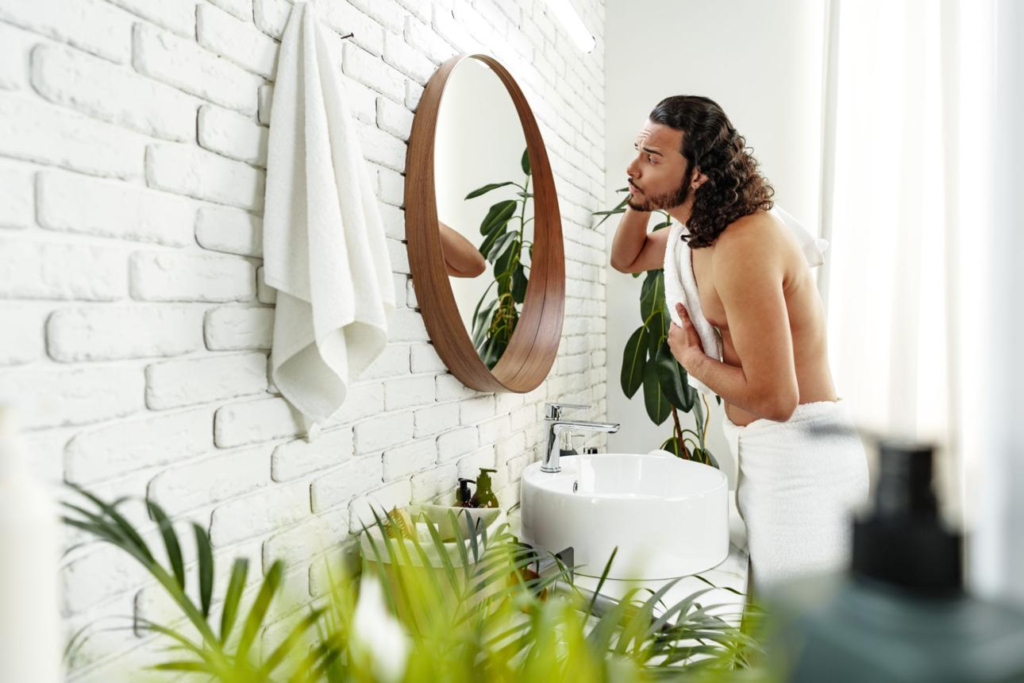
Wellness and Grooming Are Becoming Closely Connected
Another major trend is the growing overlap between wellness and grooming.
Consumers increasingly recognize that appearance often reflects broader health habits. Sleep quality, hydration, nutrition, exercise, and stress management can significantly affect skin, hair, and overall presentation.
As a result, grooming discussions frequently extend beyond products alone.
People are paying more attention to:
- Sleep hygiene
- Hydration levels
- Nutritional support
- Stress reduction
- Physical activity
- Mental wellness
For example, a professional experiencing chronic stress may notice skin irritation, hair thinning, or fatigue-related appearance changes. Addressing underlying wellness factors often produces more meaningful improvements than simply purchasing additional products.
This holistic perspective is becoming increasingly common across age groups and demographics.
The Demand for Simplicity Is Growing
Consumers are becoming more selective about grooming products.
Rather than purchasing large numbers of specialized items, many Americans now prefer streamlined routines that deliver consistent results.
This trend is partly driven by information overload. With countless products available online, consumers increasingly value simplicity, clarity, and practical effectiveness.
Many people are moving toward routines that include:
- Multi-purpose products
- Fewer daily steps
- Evidence-based ingredients
- Easy maintenance habits
- Consistent long-term use
For example, a streamlined routine might involve a quality cleanser, moisturizer, sunscreen, and occasional treatment product rather than ten separate daily steps.
The popularity of simplified grooming reflects a broader cultural preference for efficiency and sustainability.
Professional Appearance Standards Are Evolving
Workplace grooming expectations have changed significantly over the past decade.
Many organizations now embrace greater individuality while still expecting professionalism.
Modern workplaces often allow:
- Well-maintained beards
- Diverse hairstyles
- Natural hair textures
- Personal style expression
- More flexible grooming choices
However, professionalism remains important.
Employers generally continue to value:
- Cleanliness
- Neat presentation
- Appropriate grooming for client-facing roles
- Attention to personal hygiene
The emphasis has shifted from rigid appearance rules toward polished self-presentation.
This change allows individuals greater freedom while maintaining standards that support workplace effectiveness.

Technology Is Influencing Grooming Decisions
Technology now plays a substantial role in personal grooming behavior.
Consumers regularly use digital platforms to research products, compare reviews, and learn grooming techniques.
Popular influences include:
- Dermatologist content creators
- Professional barbers
- Hairstylists
- Health experts
- Consumer review platforms
Technology has also improved access to grooming tools.
Modern innovations include:
- Smart electric trimmers
- Advanced toothbrushes
- LED skincare devices
- Home grooming systems
- AI-powered skin analysis apps
These technologies allow consumers to make more informed decisions while managing grooming routines more efficiently.
Sustainability Is Becoming a Factor in Grooming Choices
Environmental awareness is influencing purchasing decisions across many industries, including personal grooming.
Consumers increasingly consider:
- Refillable packaging
- Recyclable materials
- Reduced plastic use
- Cruelty-free products
- Sustainable sourcing
While performance remains the primary concern for most buyers, sustainability has become an important secondary consideration.
Many brands have responded by introducing environmentally conscious packaging and transparent sourcing practices.
For consumers, this means more opportunities to align grooming purchases with personal values without sacrificing quality.
How Different Generations Approach Grooming
Generational differences continue to shape grooming trends across America.
Baby Boomers often prioritize maintenance, professional appearance, and healthy aging.
Generation X frequently focuses on practicality, convenience, and proven products.
Millennials tend to emphasize wellness integration, skincare, and informed purchasing decisions.
Generation Z often embraces personalization, ingredient education, authenticity, and self-expression.
Despite these differences, several common themes unite all generations:
- Interest in healthy appearance
- Desire for confidence
- Preference for practical solutions
- Growing awareness of wellness connections
The result is a grooming market that offers increasingly diverse options while maintaining broad appeal.
Frequently Asked Questions
1. What is the biggest grooming trend in America right now?
The shift toward skin health and wellness-focused grooming is among the most influential trends. Consumers increasingly prioritize long-term health and prevention over cosmetic correction.
2. Why are more men investing in grooming products?
Modern grooming is viewed as part of professional readiness, confidence, and self-care rather than vanity, making it more socially accepted than in previous generations.
3. Has remote work changed grooming habits?
Yes. Video meetings have increased awareness of facial appearance, hair maintenance, and skincare while encouraging more efficient grooming routines.
4. Are complex grooming routines necessary?
Not necessarily. Many experts recommend simple, consistent routines focused on cleansing, moisturizing, sun protection, and healthy lifestyle habits.
5. How does wellness affect grooming results?
Factors such as sleep, hydration, nutrition, and stress management can significantly influence skin quality, hair health, and overall appearance.
6. Are grooming standards becoming more relaxed at work?
Many workplaces now allow greater individuality while still expecting cleanliness, professionalism, and appropriate self-presentation.
7. What role does technology play in grooming?
Technology helps consumers access education, product reviews, grooming tutorials, and advanced home-care tools.
8. Is sustainability important in grooming products?
Increasingly, yes. Many consumers consider environmental impact alongside product effectiveness.
9. What grooming habits create the strongest professional impression?
Consistent hygiene, well-maintained hair, healthy-looking skin, fresh breath, and neat presentation generally contribute positively to professional impressions.
10. Are younger generations changing the grooming industry?
Absolutely. Millennials and Gen Z have accelerated trends involving skincare, personalization, wellness, and transparency.