
Preventive health is gaining greater attention across the United States as healthcare costs rise, chronic diseases remain widespread, and consumers gain access to better health-monitoring tools. In 2026, more Americans are focusing on early detection, routine screenings, healthy habits, and personalized wellness strategies. This shift reflects growing awareness that preventing illness often delivers better health outcomes, lower expenses, and improved quality of life than treating diseases after they develop.
Understanding the Shift Toward Preventive Health
For decades, much of the American healthcare system was built around diagnosing and treating illnesses after symptoms appeared. While treatment remains essential, a growing number of healthcare providers, employers, insurers, and consumers are placing greater emphasis on prevention.
Preventive health refers to measures designed to reduce the likelihood of disease, identify health problems early, and maintain overall well-being. These measures include annual physicals, vaccinations, cancer screenings, blood pressure monitoring, nutrition improvements, exercise, stress management, and regular health assessments.
The growing focus on preventive care is not simply a healthcare trend. It reflects economic realities, demographic changes, advances in medical technology, and a broader cultural shift toward proactive wellness.
As Americans continue to live longer, many are recognizing that quality of life during those additional years depends heavily on the choices made long before serious health issues emerge.
Why Americans Are Paying More Attention to Prevention
Several factors are contributing to the increasing importance of preventive health in 2026.
One of the biggest drivers is the continued prevalence of chronic diseases. Conditions such as heart disease, diabetes, obesity, hypertension, and certain cancers account for a significant portion of healthcare spending and long-term medical complications.
Many of these conditions develop gradually over years or even decades. Early intervention can often reduce risks significantly.
Consumers are also becoming more informed. Health information is more accessible than ever through healthcare organizations, medical research publications, wellness platforms, and digital health tools. While information quality varies, Americans generally have more opportunities to learn about risk factors and healthy behaviors than previous generations.
Another factor is rising healthcare costs. Preventing a disease is often less expensive than managing it for years after diagnosis. Families increasingly recognize the financial value of maintaining health rather than responding to preventable medical crises.
The Growing Role of Technology
Technology has transformed preventive health from an occasional doctor’s visit into an ongoing process.
Wearable devices now help millions of Americans monitor:
- Daily activity levels
- Heart rate trends
- Sleep quality
- Exercise performance
- Stress indicators
- Blood oxygen measurements
These tools are not replacements for professional medical care, but they provide users with valuable insights into everyday health patterns.
Telehealth services have also expanded preventive care access. Patients can now discuss concerns, review test results, and receive health guidance without needing to travel to a medical office.
Artificial intelligence and advanced analytics are helping healthcare providers identify risk factors earlier. Predictive health models can detect patterns that may indicate future health concerns, allowing interventions before serious symptoms appear.
As technology becomes more integrated into healthcare systems, prevention becomes easier, more convenient, and more personalized.
Preventive Health and an Aging Population
America’s aging population is another reason preventive care is becoming a larger priority.
Millions of Baby Boomers are now entering later stages of life. At the same time, Generation X is moving into age groups where chronic disease risks naturally increase.
Preventive care becomes especially valuable during middle age and beyond because many conditions can develop silently. High blood pressure, elevated cholesterol, osteoporosis, and certain cancers may progress without obvious symptoms.
Routine screenings help identify potential issues before they become more difficult and expensive to treat.

Examples include:
- Colon cancer screenings
- Mammograms
- Blood pressure checks
- Cholesterol testing
- Diabetes screening
- Bone density assessments
- Vision examinations
Healthcare providers increasingly encourage age-specific preventive plans tailored to individual risk factors and family history.
How Employers Are Supporting Preventive Wellness
Workplace wellness programs continue to evolve in 2026.
Many employers recognize that healthier employees often experience:
- Lower healthcare costs
- Reduced absenteeism
- Improved productivity
- Better job satisfaction
- Stronger long-term well-being
As a result, organizations are investing in wellness initiatives that encourage preventive behaviors.
These programs may include health screenings, fitness incentives, mental health resources, nutrition education, smoking cessation support, and stress management workshops.
Hybrid and remote work arrangements have also encouraged employers to expand digital wellness offerings, allowing employees to participate regardless of location.
The result is a broader culture of prevention extending beyond doctor’s offices and into everyday life.
Mental Health Is Now Part of Preventive Health
One of the most significant developments in recent years is the growing recognition that mental health is an essential component of preventive care.
Historically, preventive health discussions focused primarily on physical conditions. Today, healthcare experts increasingly acknowledge the connections between mental and physical well-being.
Chronic stress, anxiety, burnout, and depression can contribute to numerous physical health problems, including cardiovascular disease, sleep disorders, immune dysfunction, and metabolic issues.
Preventive mental health strategies often include:
- Stress management techniques
- Sleep improvement practices
- Regular physical activity
- Social connection
- Counseling when needed
- Mindfulness and relaxation methods
Many Americans now view mental wellness maintenance as equally important as physical fitness.
The Impact of Personalized Health Strategies
Preventive care is becoming more individualized.
Rather than applying identical recommendations to everyone, healthcare providers increasingly tailor preventive plans based on personal risk profiles.
Factors commonly considered include:
- Age
- Family history
- Lifestyle habits
- Existing medical conditions
- Genetic predispositions
- Occupational exposures
This personalized approach allows individuals to focus attention on the health issues most relevant to their circumstances.
For example, someone with a strong family history of cardiovascular disease may prioritize cholesterol monitoring and heart health interventions. Another person with elevated diabetes risk may focus on nutrition, weight management, and blood sugar screening.
Personalized prevention often improves engagement because recommendations feel directly relevant rather than generic.
What Preventive Health Looks Like in Everyday Life
Preventive health does not necessarily require expensive treatments or dramatic lifestyle changes.
Many effective preventive measures involve simple, consistent habits.
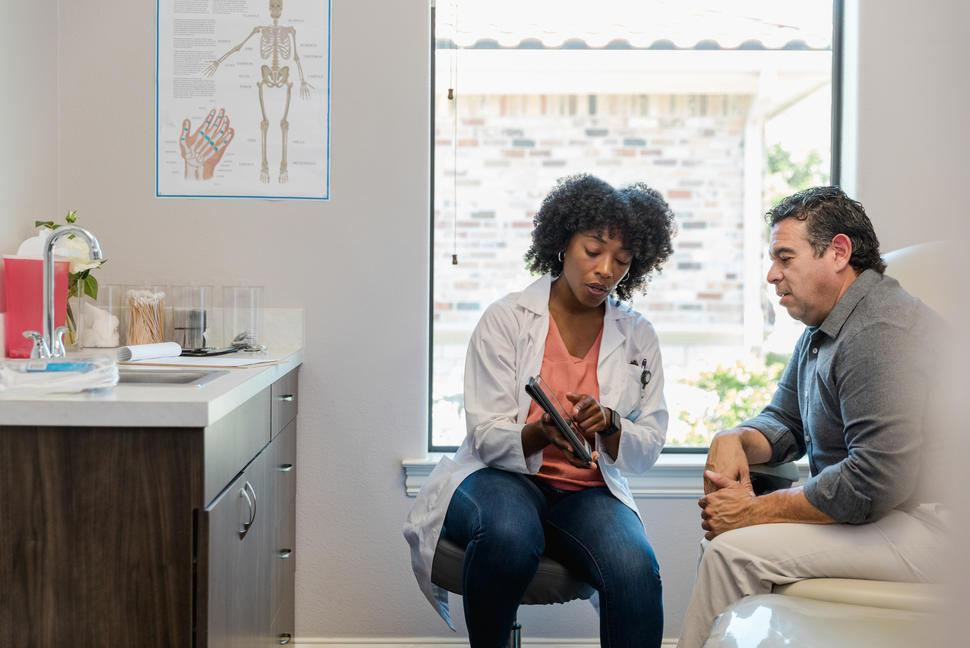
A 45-year-old office worker might schedule annual physical exams, take daily walks, improve sleep habits, and monitor blood pressure regularly.
A young parent may focus on vaccinations, healthy family meals, routine dental care, and stress management.
A retiree might prioritize mobility exercises, preventive screenings, social engagement, and regular medication reviews.
In each case, prevention involves making small decisions that collectively reduce long-term health risks.
The cumulative effect of these choices can become substantial over time.
Common Questions Americans Are Asking About Preventive Health
Search interest around preventive healthcare continues to grow because consumers want practical guidance.
Many Americans ask whether preventive care is worth the effort when they feel healthy. Healthcare experts generally emphasize that prevention is most effective before symptoms appear.
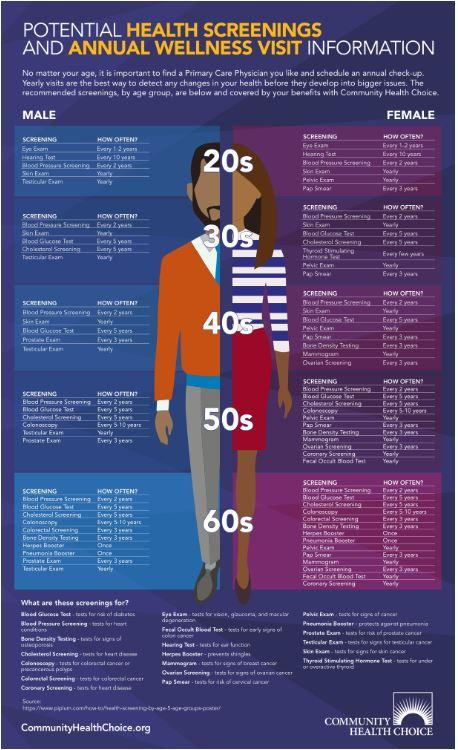
Others wonder how often they should receive screenings. The answer depends on age, health history, and physician recommendations.
Questions about wearable technology, nutrition plans, exercise routines, mental health support, and preventive testing are also becoming increasingly common.
The underlying theme is clear: people want to maintain health rather than simply react to illness.
Challenges That Still Exist
Despite growing interest, preventive healthcare faces several challenges.
Access remains uneven across some communities. Geographic barriers, insurance limitations, provider shortages, and socioeconomic factors can affect preventive care utilization.
Health literacy also varies. Understanding medical recommendations and navigating healthcare systems can be difficult for some individuals.
Additionally, behavior change remains challenging. Knowing what to do does not always translate into consistent action.
Successful prevention often requires long-term commitment, supportive environments, and practical strategies that fit everyday life.
Healthcare organizations continue working to reduce these barriers through education, technology, community outreach, and expanded access programs.
Why 2026 May Mark a Turning Point
The convergence of multiple trends is accelerating preventive health adoption.
Americans are facing higher healthcare costs, greater chronic disease awareness, expanded digital health capabilities, and increasing access to personalized wellness tools.
At the same time, employers, insurers, healthcare systems, and public health organizations are reinforcing the importance of prevention.
Rather than viewing healthcare as something needed only during illness, many consumers now see health maintenance as an ongoing responsibility.
This mindset shift may prove one of the most important developments in modern healthcare.
The long-term benefits extend beyond individuals. Healthier populations can contribute to lower healthcare expenditures, improved workforce productivity, and better overall quality of life across communities.
Frequently Asked Questions
1. What is preventive healthcare?
Preventive healthcare includes medical services and lifestyle practices designed to prevent diseases, detect conditions early, and maintain long-term health.
2. Why is preventive health receiving more attention in 2026?
Rising healthcare costs, chronic disease prevalence, technological advancements, and greater consumer awareness are driving increased focus on prevention.
3. Does preventive care save money?
In many cases, early detection and disease prevention can reduce long-term treatment costs and avoid expensive medical complications.
4. What are examples of preventive healthcare services?
Examples include vaccinations, annual physical exams, cancer screenings, blood pressure checks, cholesterol testing, and wellness counseling.
5. Are wearable devices useful for preventive health?
Wearables can provide helpful information about activity, sleep, heart rate, and other health metrics, though they should not replace professional medical advice.
6. How often should adults receive preventive screenings?
Screening schedules vary based on age, sex, family history, and individual risk factors. Healthcare providers can recommend appropriate intervals.
7. Is mental health considered preventive healthcare?
Yes. Managing stress, maintaining emotional well-being, and seeking support when needed are increasingly recognized as important preventive measures.
8. Can young adults benefit from preventive health practices?
Absolutely. Healthy habits established early in adulthood can reduce future risks and improve long-term health outcomes.
9. What role do employers play in preventive health?
Many employers offer wellness programs, screenings, fitness incentives, and mental health resources that encourage preventive behaviors.
10. What is personalized preventive care?
Personalized preventive care tailors recommendations and screenings based on an individual’s health history, lifestyle, genetics, and risk factors.
Building a Healthier Future Before Problems Begin
Preventive health is becoming a larger priority because Americans increasingly understand that health outcomes are shaped long before major illnesses appear. Advances in technology, expanding access to health information, growing awareness of chronic disease risks, and a stronger focus on mental wellness are all contributing to this shift. As prevention becomes more integrated into daily life, individuals have greater opportunities to protect their health, improve quality of life, and make informed decisions that support long-term well-being.
Key Insights at a Glance
- Preventive health focuses on avoiding disease and detecting problems early.
- Rising healthcare costs are increasing interest in prevention.
- Wearables and telehealth are expanding access to health monitoring.
- Chronic disease prevention remains a major healthcare priority.
- Mental health is increasingly recognized as preventive care.
- Employers are investing more in wellness programs.
- Personalized prevention strategies are becoming more common.
- Routine screenings remain essential for early detection.
- Small lifestyle improvements can produce long-term benefits.
- Prevention is becoming a core component of modern healthcare.
#Health, #PreventiveHealth, #Wellness, #HealthyLiving, #Healthcare, #PublicHealth, #MentalHealth, #HealthyAging, #MedicalScreening, #HealthAwareness