
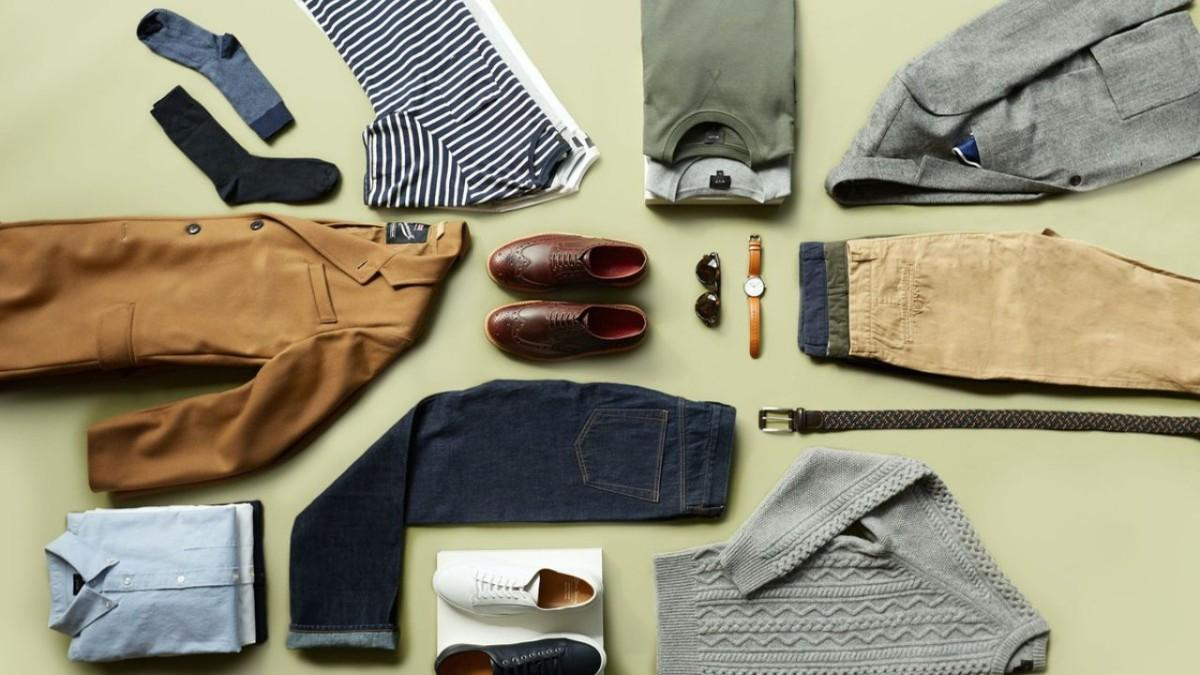
Men’s fashion is evolving beyond rigid dress codes and trend chasing. Today’s style priorities focus on versatility, comfort, quality, and personal expression. From relaxed tailoring and elevated basics to sustainable purchasing habits and smarter wardrobe building, modern men are redefining what it means to dress well. Understanding these new rules can help create a wardrobe that feels contemporary, practical, and genuinely personal.
Why Men’s Style Is Entering a New Era
For decades, men’s fashion often revolved around clear categories. There were business clothes, casual clothes, and formal clothes, each existing in separate parts of a wardrobe. Today, those boundaries are increasingly blurred.
The shift accelerated during the pandemic years when remote work changed daily dressing habits. Many men discovered they valued comfort more than they previously realized. At the same time, social media, digital shopping, and broader cultural acceptance of individual style encouraged experimentation.
The result is a new approach to dressing that values flexibility over strict rules. Instead of asking whether an outfit fits a specific category, modern consumers are asking whether it fits their lifestyle.
This evolution is visible across the United States, from major cities like New York City and Los Angeles to smaller suburban communities where workplace expectations have become increasingly relaxed.
The Rise of Elevated Basics
One of the most important developments in modern menswear is the growing emphasis on elevated basics.
Rather than filling closets with highly specific statement pieces, many men are investing in versatile essentials that work across multiple settings.
Examples include:
- Premium crewneck T-shirts
- Well-fitted dark denim
- Neutral overshirts
- Quality knitwear
- Minimal leather sneakers
- Structured outerwear
The appeal is simple. A navy overshirt can work during a casual office day, a dinner outing, or weekend errands. A high-quality white T-shirt can serve as the foundation for dozens of outfits.
Consumers increasingly recognize that wearing fewer but better pieces often creates a stronger overall appearance than constantly pursuing seasonal trends.
Why Fit Matters More Than Fashion Trends
Many style experts agree on one point: fit remains the single most important factor in how clothing looks.
A moderately priced garment that fits properly often appears more polished than an expensive designer piece with poor proportions.
Today’s fit philosophy, however, differs from previous generations.
For years, ultra-slim silhouettes dominated men’s fashion. Skinny jeans, tight shirts, and narrow suits became widespread. Modern style has moved toward balance rather than extreme slimness.
Current preferences often include:
- Relaxed but structured trousers
- Slightly roomier jackets
- Straight-leg denim
- Comfortable shirts with natural drape
The goal is not oversized clothing but rather garments that allow movement while maintaining shape.
For many American men, this approach creates a more comfortable wardrobe without sacrificing sophistication.
The End of Strict Dress Codes
One of the biggest changes affecting everyday dressing is the decline of rigid workplace dress standards.
Many companies have adopted hybrid work arrangements, reducing the need for traditional office attire. Even industries that once required suits every day have embraced more flexible guidelines.
This does not mean professionalism has disappeared. Instead, standards have shifted toward refined casual dressing.
A modern business-casual wardrobe might include:
- Tailored chinos
- Knit polos
- Unstructured blazers
- Leather loafers
- Clean sneakers
- Fine-gauge sweaters
The emphasis is on looking intentional rather than formal.
A technology executive, financial consultant, and creative professional may now dress differently while still appearing equally professional.
How Comfort Became a Style Priority
Comfort was once viewed as separate from fashion. Today, it has become one of the defining factors influencing purchasing decisions.
Modern fabric innovations have transformed expectations.
Consumers increasingly seek:
- Stretch materials
- Breathable fabrics
- Wrinkle-resistant garments
- Lightweight construction
- Flexible tailoring
Brands have responded by creating clothing that performs well throughout long days without sacrificing appearance.
For example, many modern trousers now incorporate technical fabrics that resemble traditional wool or cotton while offering significantly greater comfort and mobility.
This trend reflects a broader shift toward practical luxury—products that improve daily life rather than simply signaling status.
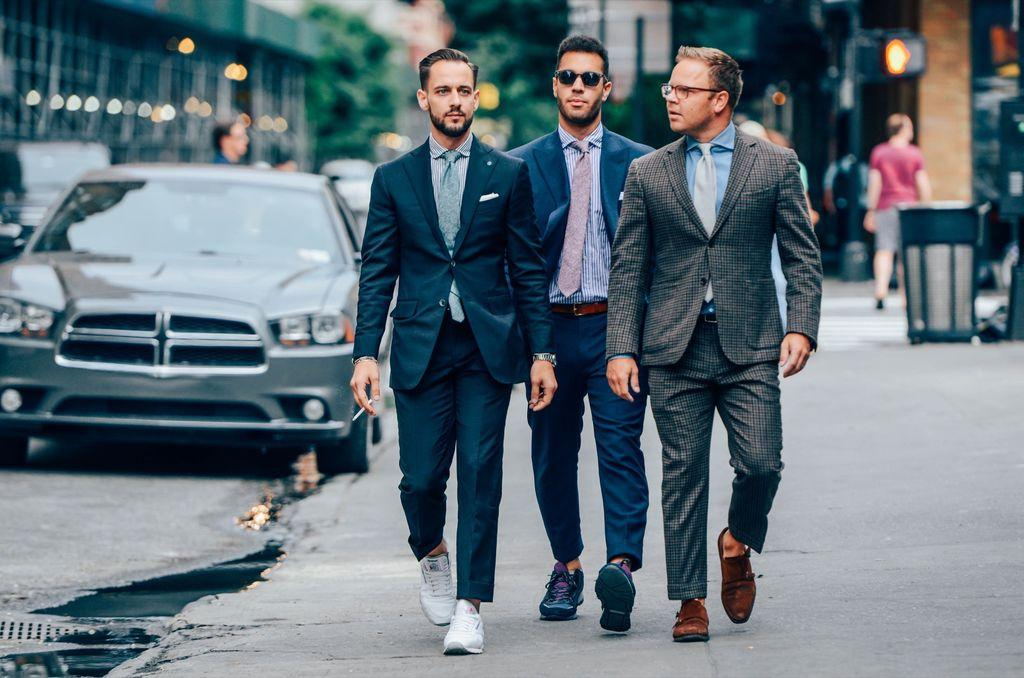
Building a Smaller, Smarter Wardrobe
Many men are moving away from excessive consumption and toward intentional purchasing.
The concept of a capsule wardrobe has gained popularity because it reduces decision fatigue while improving outfit consistency.
A practical wardrobe might include:
Core Tops
- White T-shirts
- Gray T-shirts
- Oxford shirts
- Polo shirts
- Lightweight sweaters
Core Bottoms
- Dark jeans
- Chinos
- Tailored trousers
Outerwear
- Casual jacket
- Lightweight coat
- Overshirt
Footwear
- White sneakers
- Brown leather shoes
- Versatile boots
When pieces coordinate easily, getting dressed becomes simpler and more efficient.
Many consumers report wearing a smaller percentage of their clothing more frequently, making wardrobe quality increasingly important.
Sustainability Is Influencing Style Decisions
Environmental concerns are increasingly affecting fashion purchases.
Consumers are asking new questions before buying:
- How long will this item last?
- Can it be worn year-round?
- Is the material durable?
- Was it produced responsibly?
This shift has encouraged a move away from disposable fashion.
Many shoppers now prioritize:
- Natural fibers
- Timeless designs
- Repairable products
- Durable construction
- Responsible manufacturing
The growing resale market also reflects changing attitudes. Purchasing pre-owned luxury pieces, vintage garments, or secondhand designer items has become far more mainstream than it was a decade ago.
For many consumers, sustainability now represents a practical financial decision as much as an environmental one.
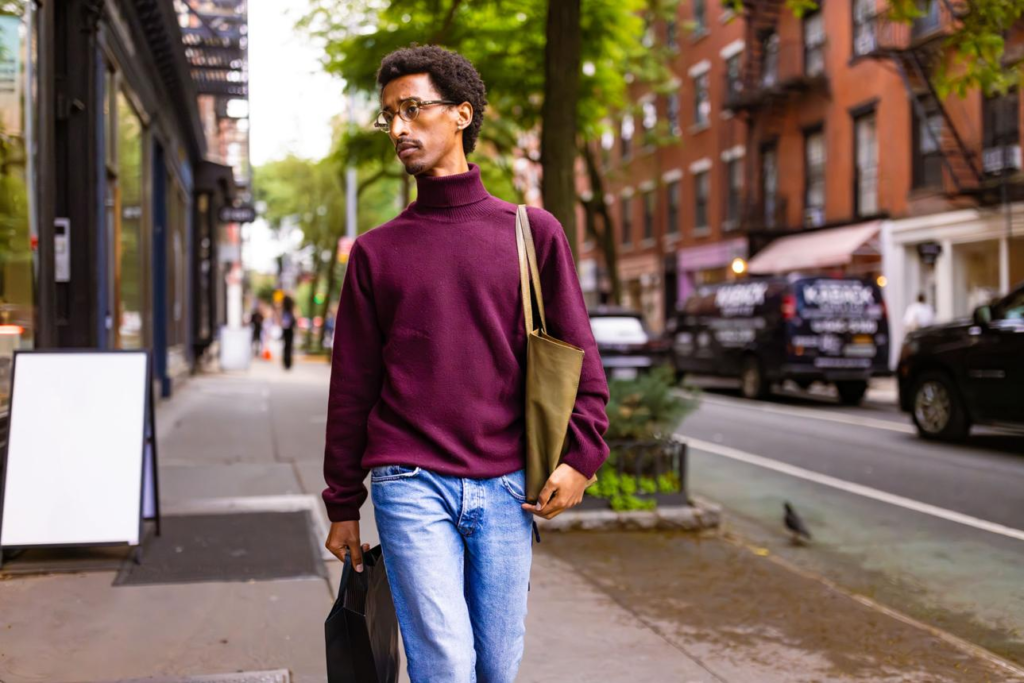
Personal Style Is Replacing Fashion Uniforms
Perhaps the most significant change in modern menswear is the growing emphasis on individuality.
Previous generations often followed relatively standardized style formulas. Today, inspiration comes from a wide range of sources, allowing men to develop more personal aesthetics.
Some gravitate toward classic American style, emphasizing denim, boots, and workwear influences.
Others prefer minimalist wardrobes built around neutral colors and clean lines.
Still others combine athletic, luxury, and vintage elements to create unique combinations.
The key difference is that there is no longer a single dominant style template.
Modern fashion rewards authenticity more than conformity.
The Growing Importance of Grooming and Presentation
Clothing alone no longer defines style.
Many men now view grooming, skincare, and personal presentation as integral parts of dressing well.
This broader perspective includes:
- Consistent grooming routines
- Healthy skin habits
- Proper garment care
- Well-maintained footwear
- Attention to accessories
A simple outfit often appears significantly more refined when paired with thoughtful grooming and proper maintenance.
This holistic approach helps explain why understated wardrobes frequently outperform trend-driven ones in everyday settings.
Are Luxury Logos Losing Their Influence?
While luxury brands remain influential, consumer preferences are evolving.
Visible logos once played a central role in men’s fashion. Increasingly, many style-conscious consumers favor subtle indicators of quality.
This trend, often called “quiet luxury,” emphasizes:
- Superior materials
- Excellent construction
- Refined fit
- Minimal branding
- Timeless design
The appeal lies in longevity. A well-made cashmere sweater or leather jacket may remain relevant for years, while heavily branded trend pieces often lose appeal more quickly.
Many modern shoppers are prioritizing value, craftsmanship, and versatility over conspicuous branding.
How Social Media Has Changed Everyday Style
Social platforms have dramatically expanded access to fashion inspiration.
Men can now learn about styling techniques, tailoring principles, fabric quality, and wardrobe building from creators around the world.
This accessibility has democratized fashion knowledge.
Instead of relying solely on magazines or department stores, consumers can compare ideas, discover niche brands, and develop personal preferences more easily than ever before.
However, successful style development still requires selectivity.
Following every trend often leads to inconsistent wardrobes and unnecessary spending.
The most effective approach is using inspiration as a guide rather than a blueprint.
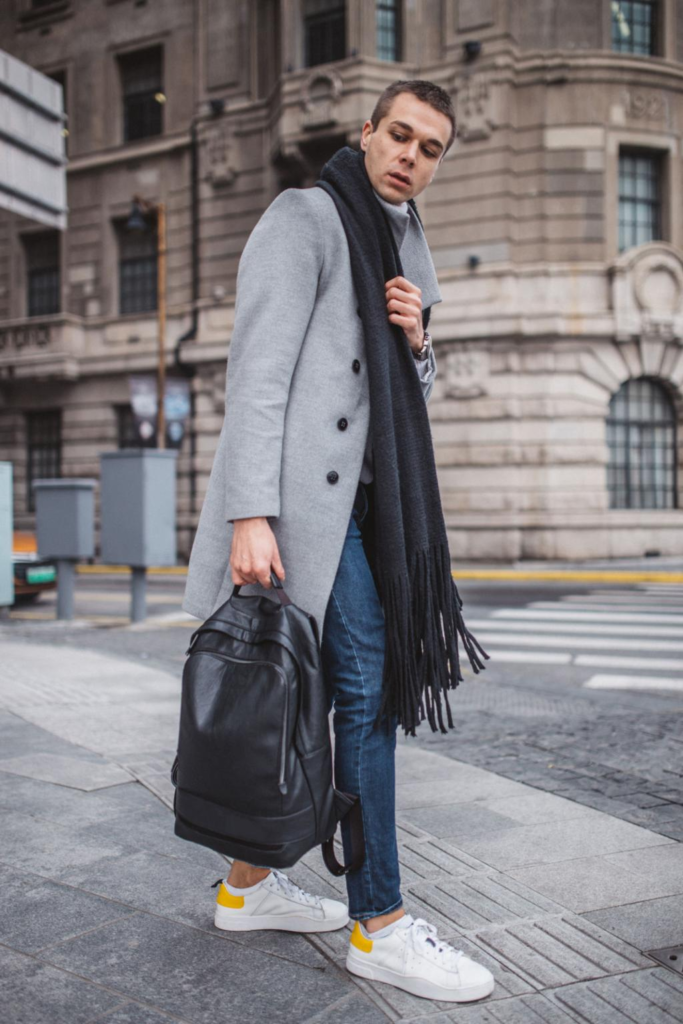
Frequently Asked Questions
1. What is the biggest men’s fashion trend right now?
The move toward versatile, comfortable clothing that balances style and practicality is arguably the most influential trend shaping modern menswear.
2. Are slim-fit clothes out of style?
Not entirely. However, extremely tight silhouettes have become less popular. Balanced, comfortable fits are generally preferred.
3. What should every man own in his wardrobe?
A quality white T-shirt, dark jeans, chinos, versatile sneakers, an Oxford shirt, and a lightweight jacket remain foundational pieces.
4. Is business casual still relevant?
Yes. Business casual continues to evolve and remains one of the most practical dress categories for modern workplaces.
5. What colors work best for a versatile wardrobe?
Navy, gray, white, black, olive, and beige tend to offer the greatest flexibility.
6. How can men improve their style without spending a lot?
Focusing on fit, wardrobe organization, grooming, and quality basics often produces noticeable improvements without major spending.
7. What is a capsule wardrobe?
A capsule wardrobe consists of a limited collection of versatile clothing pieces that can be mixed and matched easily.
8. Are luxury brands necessary for good style?
No. Fit, quality, and personal taste generally matter more than brand labels.
9. How many pairs of shoes does a man really need?
Most men can cover everyday needs with three to five versatile pairs, including sneakers, dress shoes, and boots.
10. Why is personal style becoming more important?
Greater cultural acceptance of individuality and wider access to fashion inspiration have encouraged more personalized approaches to dressing.