
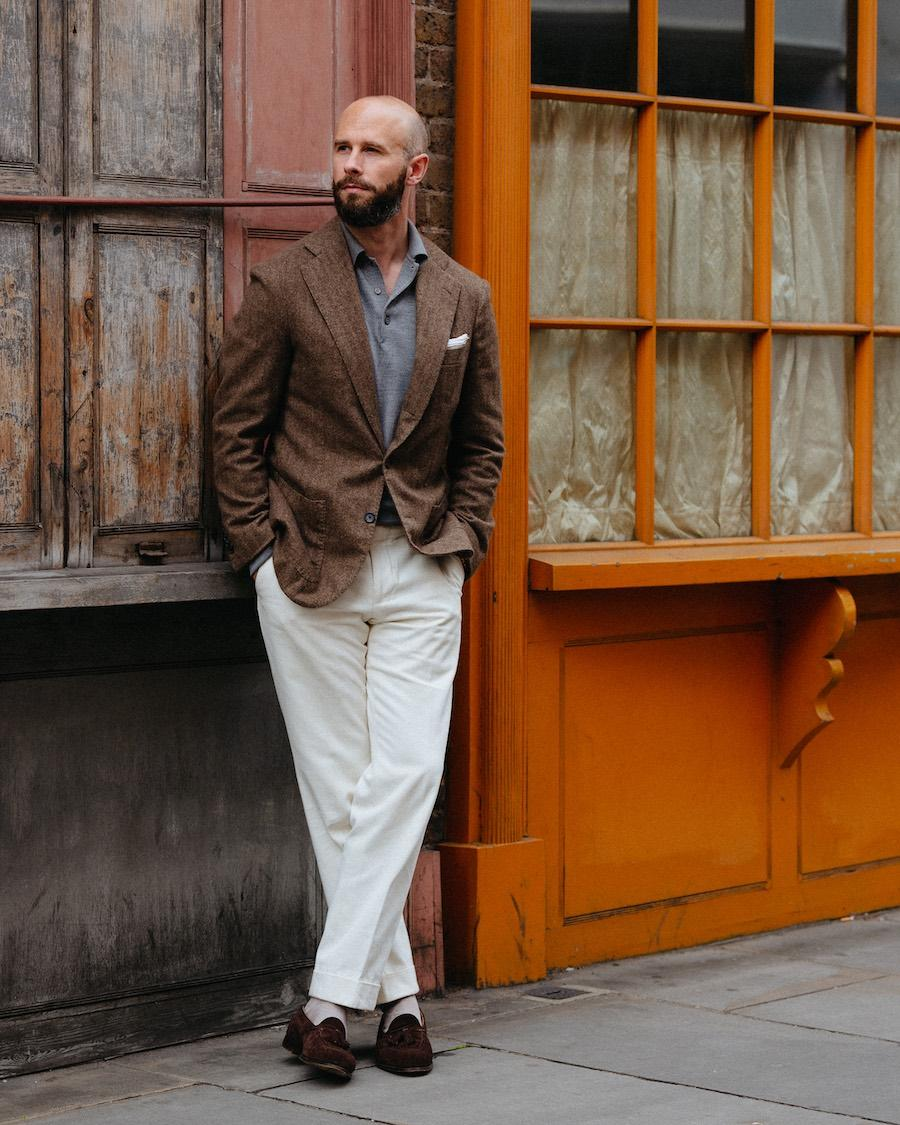
Men’s fashion in the United States is evolving toward versatility, comfort, quality, and personal expression. Instead of chasing short-lived trends, many men are investing in adaptable wardrobes that balance professional, casual, and social settings. From relaxed tailoring and elevated basics to sustainable purchasing and functional outerwear, today’s style choices reveal changing priorities centered on practicality, confidence, and individuality.
Why Men’s Fashion Is Changing Faster Than Many People Realize
For decades, men’s fashion tended to evolve gradually. While women’s fashion often experienced dramatic seasonal shifts, men’s wardrobes remained relatively predictable. That pattern is changing.
The rise of remote work, hybrid schedules, social media influence, direct-to-consumer brands, and increased interest in personal branding has transformed how American men approach style. Fashion is no longer viewed solely as a luxury interest or professional necessity. Instead, it has become a practical tool for self-presentation across multiple environments.
Modern men are dressing for offices, coffee shops, video meetings, travel, networking events, and social gatherings—often within the same week. As a result, clothing that offers flexibility and versatility is becoming increasingly valuable.
Today’s most influential trends are not necessarily the loudest. Rather, they reflect broader lifestyle changes taking place across the country.
The Rise of Relaxed Tailoring
One of the most noticeable shifts in men’s fashion is the move away from ultra-slim silhouettes.
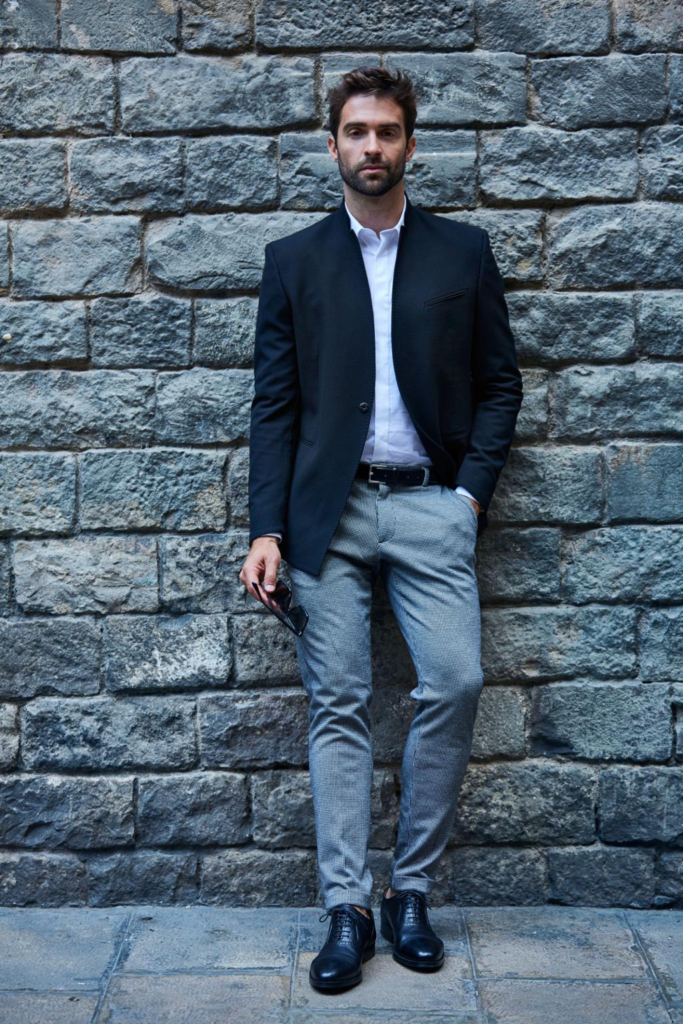
For years, slim-fit suits, skinny trousers, and tightly tailored shirts dominated the market. While tailored clothing remains important, modern tailoring has become more relaxed and comfortable.
Many American men now prefer:
- Slightly wider trousers
- Relaxed-fit blazers
- Unstructured jackets
- Roomier dress shirts
- Softer fabrics with natural drape
The appeal is simple. Relaxed tailoring offers sophistication without sacrificing comfort.
Professionals working hybrid schedules often choose unstructured blazers paired with knit polos or premium T-shirts. This combination maintains a polished appearance while feeling significantly more comfortable than traditional office attire.
The trend reflects a broader cultural shift toward practicality. Modern style no longer requires discomfort to appear refined.
Elevated Basics Are Becoming Wardrobe Foundations
One of the strongest trends across the U.S. is the growing emphasis on high-quality basics.
Rather than building wardrobes around flashy statement pieces, many men are investing in essentials that can be worn repeatedly.
Popular examples include:
- Premium white T-shirts
- Well-fitted chinos
- Quality denim
- Neutral knitwear
- Classic Oxford shirts
- Versatile sneakers
The appeal of elevated basics lies in their flexibility. A navy sweater, for example, can work equally well in a casual office, a weekend dinner, or an airport lounge.
This trend also aligns with growing consumer interest in value. Instead of purchasing numerous trend-driven items, shoppers increasingly seek pieces that offer long-term usefulness.
The result is a wardrobe that feels cohesive rather than fragmented.
Why Earth Tones and Neutral Colors Continue to Dominate
Bright colors and bold patterns still have their place, but neutral palettes remain dominant across men’s fashion.
Shades frequently appearing in collections and street style include:
- Olive green
- Stone
- Camel
- Navy
- Charcoal
- Cream
- Brown
- Taupe
These colors work particularly well because they are easy to mix and match.
A man can build dozens of outfits using a relatively small number of garments when the color palette remains consistent.
Neutral tones also communicate a sense of maturity and confidence. Rather than relying on attention-grabbing colors, they allow fit, texture, and craftsmanship to become the focus.
This preference for understated sophistication is increasingly defining modern American menswear.
Utility-Inspired Clothing Is Moving Mainstream
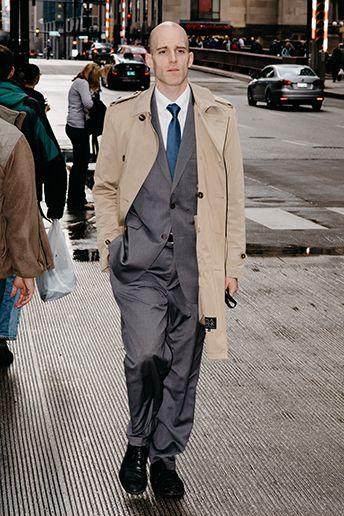
Functionality has become a major influence on fashion decisions.
Utility-inspired garments once associated primarily with outdoor activities have entered everyday wardrobes.
Examples include:
- Overshirts
- Cargo-inspired trousers
- Technical jackets
- Performance fabrics
- Multi-pocket outerwear
- Water-resistant layers
Consumers increasingly expect clothing to perform multiple functions.
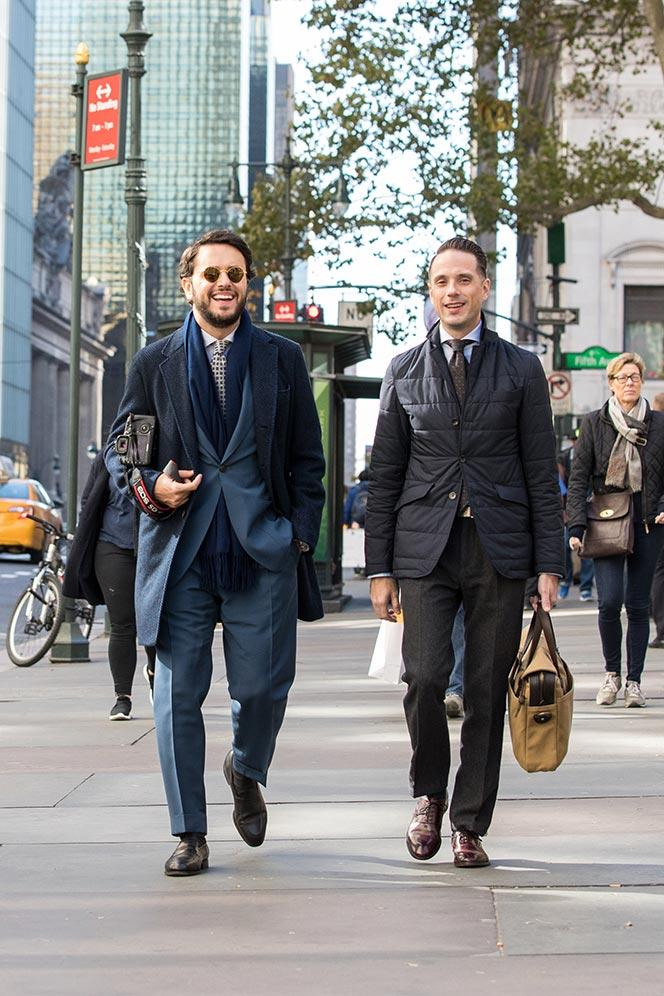
A jacket may need to work during a morning commute, an afternoon meeting, and an evening walk. Fabrics that resist wrinkles, manage moisture, or adapt to changing temperatures have become particularly appealing.
The popularity of utility-focused fashion demonstrates how practicality has become a key driver of style choices.
The Continued Growth of Premium Casualwear
The distinction between formalwear and casualwear continues to blur.
Many workplaces have relaxed dress codes, creating opportunities for premium casual clothing to thrive.
Popular combinations now include:
- Knit polos with tailored trousers
- Luxury sneakers with sport coats
- Premium denim with dress shirts
- Sweaters layered beneath blazers
These outfits strike a balance between professionalism and comfort.
Rather than adhering strictly to traditional business attire, modern professionals are choosing pieces that feel contemporary while maintaining credibility.
This trend reflects changing workplace expectations across numerous industries.
Sustainability Is Becoming Part of the Fashion Conversation
Consumers are asking more questions about how clothing is produced.
While price remains important, many shoppers are increasingly interested in:
- Material sourcing
- Manufacturing practices
- Product durability
- Environmental impact
- Ethical production standards
This does not necessarily mean every shopper is purchasing luxury sustainable fashion.
Instead, many consumers are making practical adjustments, such as buying fewer items, choosing higher-quality garments, and keeping clothing longer.
The concept of “buy less, buy better” has gained traction among men seeking both value and responsibility.
This shift suggests that sustainability is evolving from a niche concern into a mainstream purchasing consideration.
Sneakers Remain the Centerpiece of Modern Men’s Style
Few fashion categories have influenced men’s wardrobes as significantly as sneakers.
What was once considered exclusively athletic footwear has become acceptable in a wide range of environments.
Today, clean minimalist sneakers can be worn with:
- Jeans
- Chinos
- Tailored trousers
- Casual suits
- Travel outfits
The versatility of sneakers makes them particularly attractive to modern consumers.
Many men now prioritize footwear that delivers comfort, style, and adaptability simultaneously.
As a result, classic white leather sneakers and understated athletic-inspired designs continue to perform strongly across age groups.
Personal Style Is Replacing Trend-Chasing
Perhaps the most significant trend is not a specific garment at all.
Increasingly, men are focusing on developing personal style rather than blindly following trends.
This shift is driven by several factors:
- Greater access to fashion information
- Diverse style influences online
- Increased awareness of fit and body type
- Desire for authenticity
A man may combine workwear elements, classic tailoring, athletic influences, and vintage pieces to create a look that reflects his personality.
Modern style is becoming less about conformity and more about intentionality.
Consumers are learning that confidence often comes from understanding what works for them rather than copying every seasonal trend.
What Modern Men’s Fashion Says About American Culture
Fashion trends often reflect larger cultural movements.
The current direction of men’s style reveals several important priorities:
Comfort Matters
Consumers increasingly reject the idea that style requires discomfort. Clothing must function within real-world lifestyles.
Flexibility Is Essential
Many wardrobes now need to accommodate hybrid work, travel, social activities, and casual environments.
Quality Is Gaining Importance
Rather than maximizing quantity, many shoppers are emphasizing durability and long-term value.
Authenticity Is Valued
Personal expression has become more important than strict adherence to fashion rules.
Practical Luxury Is Emerging
Consumers appreciate premium products that deliver meaningful benefits rather than purely symbolic status.
Together, these priorities help explain why modern menswear looks different from previous decades.
How Can Men Update Their Wardrobes Without Overspending?
Many readers wonder whether keeping up with fashion requires significant spending.
In reality, the most impactful upgrades often involve strategic purchases.
Consider focusing on:
- Better fit before buying more clothes
- Higher-quality basics
- Neutral color palettes
- Versatile footwear
- Layering pieces
- Timeless outerwear
For example, replacing several low-quality shirts with a few well-made options may improve both appearance and long-term value.
Fashion is increasingly moving away from constant consumption and toward thoughtful wardrobe building.
Frequently Asked Questions
What is the biggest men’s fashion trend right now?
Relaxed tailoring combined with elevated basics is among the most influential trends. Men are seeking clothing that balances comfort, versatility, and sophistication.
Are skinny jeans still in style?
Skinny jeans have become less dominant. Straight-leg, slim-straight, and relaxed-fit denim options are increasingly popular.
Why are neutral colors so popular in menswear?
Neutral colors are easy to coordinate, versatile across seasons, and create a more refined appearance.
What are elevated basics?
Elevated basics are everyday wardrobe essentials made with better materials, improved construction, and superior fit.
Are sneakers acceptable with business-casual outfits?
In many workplaces, clean minimalist sneakers can work well with business-casual attire, particularly when paired with tailored clothing.
Is sustainable fashion more expensive?
Some sustainable garments cost more initially, but higher quality and durability may provide better long-term value.
How many clothing trends should a man follow?
Most style experts recommend adopting only trends that complement personal preferences and lifestyle needs.
What is relaxed tailoring?
Relaxed tailoring refers to clothing with softer structure, roomier silhouettes, and greater comfort while maintaining a polished appearance.
How can men develop personal style?
Start by identifying preferred fits, colors, and influences. Focus on consistency rather than constantly changing trends.
What clothing items offer the best value?
Quality outerwear, versatile shoes, premium basics, and well-fitted trousers often provide the greatest long-term return on investment.