

Across the United States, men are moving away from overcrowded closets and trend-driven shopping habits in favor of smarter, more versatile wardrobes. Rising costs, hybrid work environments, sustainability concerns, and changing lifestyle priorities are encouraging investments in quality basics, adaptable pieces, and timeless style. This shift reflects a broader focus on practicality, value, confidence, and long-term wearability rather than fast-changing fashion trends.
A New Era of Men’s Fashion
For decades, men’s fashion often followed predictable cycles. New trends appeared, retailers promoted seasonal must-haves, and consumers frequently purchased clothing that spent more time hanging in closets than being worn.
Today, however, a noticeable shift is taking place. More American men are evaluating what they wear through a different lens. Instead of asking whether a garment is trendy, many are asking whether it is useful, versatile, comfortable, and capable of fitting multiple aspects of daily life.
This transformation is visible everywhere—from office environments and social settings to online fashion communities and retail strategies. Men are becoming more intentional about their purchases, focusing less on quantity and more on versatility.
The result is a growing movement toward smarter wardrobes designed to maximize value while minimizing waste and unnecessary spending.
Why Are Men Changing Their Approach to Clothing?
Several social and economic factors are driving this change.
One major influence is the evolution of workplace culture. Traditional dress codes have become more flexible in many industries. Hybrid work arrangements allow professionals to spend part of the week at home and part in the office, creating demand for clothing that can easily transition between settings.
A well-fitted polo shirt, premium chinos, or a structured overshirt can now serve multiple purposes throughout a single day. Instead of maintaining separate wardrobes for work, casual outings, and travel, many men prefer pieces that perform across all situations.
Economic considerations also play a role.
As inflation has affected household budgets, consumers have become more selective about discretionary purchases. Rather than buying several inexpensive items that wear out quickly, many shoppers are investing in fewer garments with better durability.
This approach often leads to lower long-term clothing expenses despite higher upfront costs.
The Rise of the Versatile Wardrobe
A versatile wardrobe focuses on maximizing combinations and minimizing unnecessary purchases.
Instead of owning dozens of highly specific outfits, men are building collections of clothing that work together effortlessly.
Common examples include:
- Navy blazers
- Neutral-colored chinos
- White sneakers
- Oxford shirts
- Quality denim
- Merino wool sweaters
- Structured overshirts
- Lightweight jackets
These pieces can be mixed and matched across seasons and occasions.
For example, a navy blazer may work equally well for a business-casual meeting, a dinner date, or a weekend event. A quality pair of dark jeans can transition from casual Friday at work to evening social gatherings with minimal adjustments.
The goal is not necessarily minimalism but efficiency.
Every item serves a purpose and contributes to multiple outfit combinations.
Quality Is Becoming More Important Than Quantity
Many fashion experts have observed growing consumer interest in durability and craftsmanship.
Research from industry organizations including the National Retail Federation has shown increasing consumer focus on value-based purchasing rather than impulse buying.
For many men, this means examining:
- Fabric quality
- Construction methods
- Longevity
- Brand reputation
- Cost-per-wear value
Cost-per-wear has become an especially influential concept.
Consider two jackets:
- Jacket A costs $80 and lasts one season.
- Jacket B costs $250 and lasts five years.
Although the second option requires a larger initial investment, the overall value often becomes significantly better when divided across years of regular use.
This practical mindset is reshaping purchasing decisions throughout the fashion industry.
How Hybrid Work Changed Men’s Style
The rise of remote and hybrid work fundamentally altered how many Americans dress.
Before 2020, business attire frequently meant suits, dress shirts, and formal footwear. Today, many workplaces embrace more relaxed standards.
This shift created demand for clothing that offers:
- Professional appearance
- All-day comfort
- Flexibility
- Easy maintenance
As a result, categories such as performance dress shirts, stretch chinos, knit blazers, and premium casual footwear have grown in popularity.
A modern professional may begin the morning working from home, attend an afternoon client meeting, and meet friends for dinner afterward. Clothing that supports all three activities provides greater value than highly specialized attire.
This practical reality has accelerated the movement toward versatile fashion.
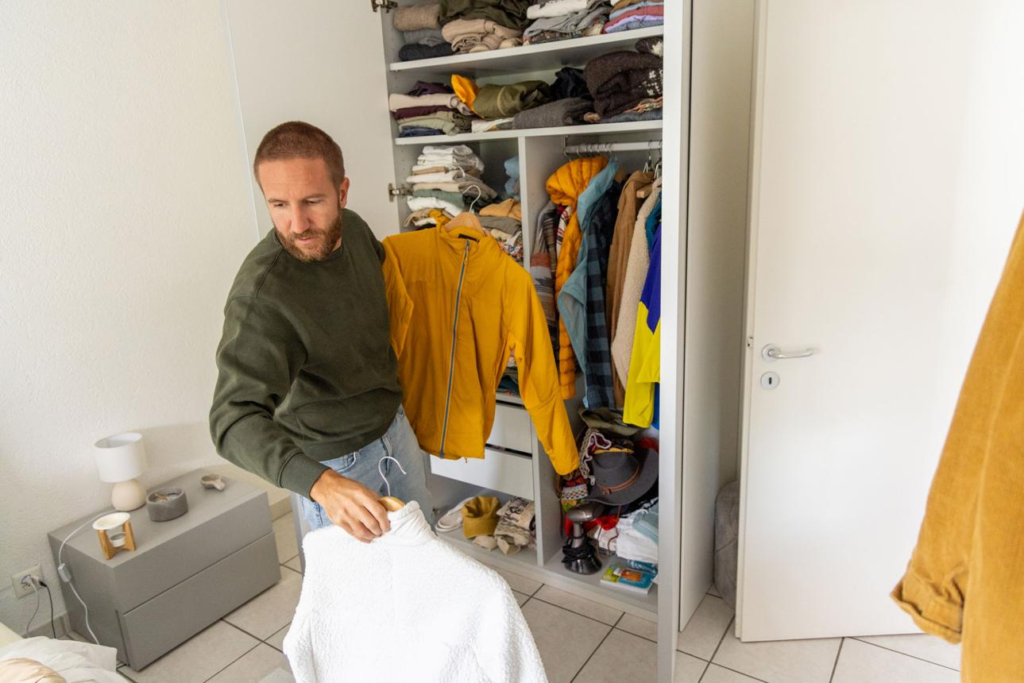
Sustainability Is Influencing Buying Decisions
Environmental awareness is another factor encouraging smarter wardrobe choices.
The fashion industry has faced increasing scrutiny regarding waste, overproduction, and fast-fashion consumption patterns.
Many consumers are responding by purchasing less frequently and choosing products designed for longer lifespans.
Sustainable fashion does not necessarily require expensive designer labels.
Instead, it often involves:
- Buying fewer items
- Choosing durable materials
- Repairing clothing when possible
- Prioritizing timeless designs
- Supporting responsible manufacturing practices
Men who build wardrobes around classic pieces often find that their clothing remains relevant for years rather than months.
This naturally reduces replacement cycles and supports more sustainable consumption habits.
What Does a Smart Men’s Wardrobe Actually Look Like?
A smart wardrobe is highly individualized, but most successful versions share several common characteristics.
Core Foundation Pieces
Most versatile wardrobes include:
- White button-down shirt
- Light blue dress shirt
- Dark denim jeans
- Navy chinos
- Gray trousers
- White leather sneakers
- Brown leather shoes
- Neutral sweaters
- Lightweight jacket
- Navy blazer
These items create dozens of outfit combinations without requiring large clothing inventories.
Seasonal Flexibility
The best wardrobes also adapt easily throughout the year.
For example:
- Layering pieces extend seasonal usability.
- Lightweight jackets work during spring and fall.
- Merino wool provides comfort across multiple temperatures.
- Neutral colors simplify mixing and matching.
This flexibility reduces the need for constant seasonal shopping.
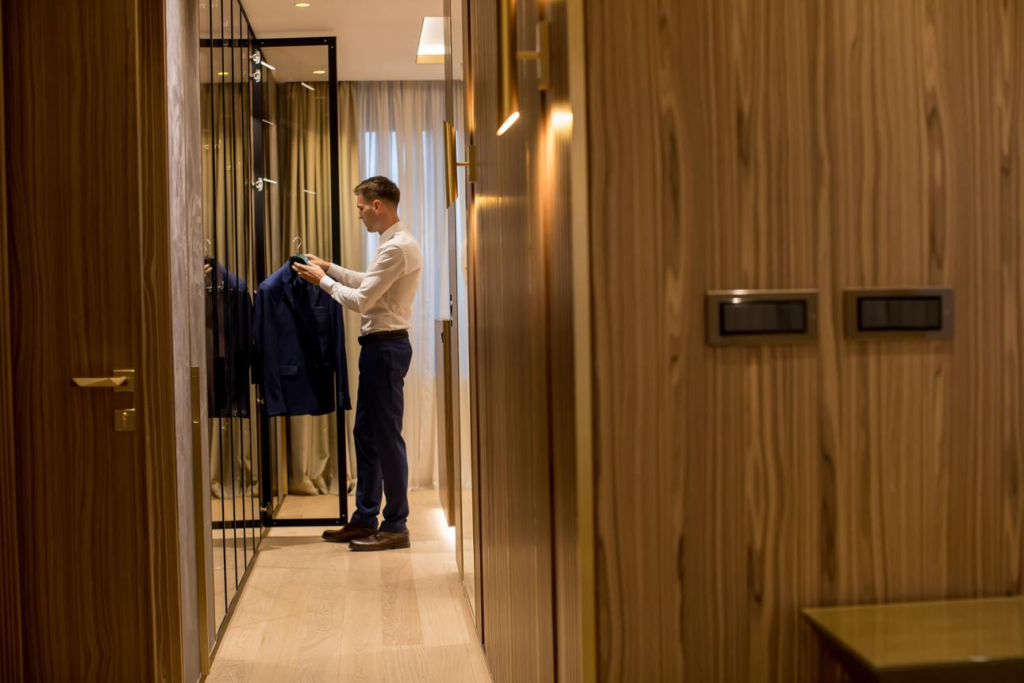
The Influence of Social Media and Style Education
Social media has changed how men learn about fashion.
In previous generations, style guidance often came from magazines or retail salespeople. Today, consumers have access to countless educational resources.
Many content creators focus on:
- Wardrobe building
- Clothing fit
- Fabric education
- Styling basics
- Long-term purchasing strategies
Interestingly, some of the most popular men’s style content now emphasizes buying less rather than buying more.
Videos discussing capsule wardrobes, wardrobe essentials, and timeless style frequently generate significant engagement because they align with consumer interest in practical solutions.
The focus has shifted from chasing trends to understanding fundamentals.
Why Fit Matters More Than Expensive Labels
One of the biggest lessons many men discover while refining their wardrobes is that fit often matters more than brand prestige.
An affordable garment that fits properly frequently appears more polished than an expensive item with poor proportions.
Key fit considerations include:
- Shoulder alignment
- Sleeve length
- Pant break
- Waist fit
- Overall silhouette
Simple tailoring adjustments can dramatically improve appearance without requiring substantial spending.
This realization encourages smarter purchasing decisions and helps men maximize the value of their existing clothing.
Common Mistakes Men Are Trying to Avoid
As wardrobe strategies evolve, many consumers are moving away from habits that previously led to unnecessary spending.
These include:
Buying for a Single Occasion
Purchasing clothing that can only be worn once or twice often provides limited value.
Chasing Every Trend
Rapidly changing trends can quickly make purchases feel outdated.
Ignoring Versatility
Items that coordinate with multiple wardrobe pieces tend to deliver better long-term utility.
Prioritizing Quantity
A closet filled with rarely worn clothing often creates more frustration than convenience.
Overlooking Comfort
Modern consumers increasingly expect clothing to look good while supporting everyday activities.
Avoiding these mistakes allows for more intentional and satisfying wardrobe development.
How Men Can Start Building a Smarter Wardrobe
Creating a versatile wardrobe does not require replacing everything at once.
A gradual approach is usually more effective.
Consider the following process:
- Audit existing clothing.
- Identify frequently worn items.
- Remove pieces that no longer fit or serve a purpose.
- Focus future purchases on wardrobe gaps.
- Prioritize neutral colors initially.
- Invest in quality basics before statement pieces.
- Choose versatility over novelty.
For example, replacing three rarely worn jackets with one versatile, high-quality outerwear piece often improves overall wardrobe functionality.
Small improvements accumulate over time.

Frequently Asked Questions
What is a versatile wardrobe for men?
A versatile wardrobe consists of clothing items that can be mixed and matched across multiple occasions, seasons, and settings while maintaining a polished appearance.
Why are capsule wardrobes becoming popular among men?
Capsule wardrobes reduce decision fatigue, improve outfit coordination, lower spending, and encourage more intentional purchasing habits.
How many clothes does a man actually need?
The number varies by lifestyle, but most men can create dozens of outfits from a relatively small collection of well-chosen essentials.
Are expensive clothes always better?
Not necessarily. Fit, fabric quality, construction, and durability often matter more than price alone.
What colors work best in a versatile wardrobe?
Neutral colors such as navy, gray, white, black, olive, and beige typically provide maximum flexibility.
How does hybrid work influence men’s fashion?
Hybrid work increases demand for clothing that balances professionalism, comfort, and adaptability across multiple environments.
Is fast fashion losing popularity among men?
Many consumers are becoming more selective and increasingly interested in durability, sustainability, and long-term value.
What are the most important wardrobe essentials for men?
Well-fitting jeans, chinos, button-down shirts, quality footwear, versatile outerwear, and neutral knitwear are commonly considered essentials.
How can men improve style without spending a lot?
Focusing on fit, tailoring, wardrobe organization, and versatile basics often creates noticeable improvements without major expenses.
Does a smart wardrobe mean owning fewer clothes?
Not always. The primary goal is owning clothing that serves a purpose and gets worn regularly rather than accumulating unnecessary items.