

Well-dressed men in 2026 are focusing less on chasing trends and more on building versatile, intentional wardrobes. They prioritize fit, quality, versatility, and personal style over excessive consumption. From investing in timeless essentials to paying attention to grooming and clothing maintenance, today’s most stylish men are adopting practical habits that improve appearance, confidence, and value while creating a polished look suitable for modern American lifestyles.
Why Men’s Fashion Is Shifting Toward Practical Style
Men’s fashion has evolved significantly over the past few years. While trend-driven clothing still has its place, many style-conscious men are moving toward a more intentional approach. Instead of filling closets with impulse purchases, they are curating wardrobes that balance comfort, professionalism, and personal expression.
This shift is influenced by several factors. Hybrid work environments have changed dress expectations. Social media has increased exposure to global fashion influences. Economic considerations have encouraged consumers to focus on longevity rather than disposable purchases. At the same time, greater awareness of sustainability has prompted many men to buy fewer but better garments.
The result is a noticeable change in how well-dressed men approach fashion. Their wardrobes often appear effortless, but that appearance is usually supported by consistent habits and thoughtful decisions.
They Prioritize Fit Above Everything Else
One of the most consistent habits among well-dressed men is their attention to fit.
Even expensive clothing can appear sloppy when it doesn’t fit properly. Conversely, affordable garments often look significantly better when tailored correctly. Style experts frequently point out that fit is the single most important factor affecting how clothing looks on the body.
Well-dressed men understand key fit principles:
- Shirts should follow the natural shape of the torso without pulling.
- Trousers should break appropriately over shoes.
- Jackets should sit comfortably at the shoulders.
- Sleeves should end near the wrist bone.
- Clothing should allow movement without excessive fabric.
Many men overlook tailoring because they assume it is reserved for luxury clothing. In reality, basic alterations are often affordable and can dramatically improve appearance.
A common example is purchasing a moderately priced blazer and spending a small amount on sleeve and waist adjustments. The final result often looks more refined than an expensive jacket worn straight off the rack.
They Build Around Wardrobe Essentials
Fashion-forward men are increasingly relying on foundational pieces that can be worn repeatedly in different combinations.
Rather than constantly seeking new statement pieces, they invest in versatile essentials that serve multiple purposes throughout the year.
Common wardrobe foundations include:
- Well-fitted dark denim
- Neutral chinos
- White Oxford shirts
- Quality crew-neck T-shirts
- Navy blazer
- Brown leather shoes
- White leather sneakers
- Lightweight knitwear
- Structured outerwear
- Simple leather belts
This approach creates flexibility. A navy blazer, for example, can transition from a business-casual meeting to a weekend dinner with minimal adjustments.
The emphasis is not on owning more clothing. Instead, it is about maximizing the usefulness of every item.
They Buy Less but Choose Better
One of the most noticeable differences among stylish men today is purchasing behavior.
Many are moving away from fast-fashion buying cycles and focusing on durability, construction quality, and long-term value.
When evaluating clothing, they often consider:
- Fabric composition
- Stitching quality
- Versatility
- Longevity
- Cost per wear
A $200 pair of quality shoes worn regularly for several years may ultimately provide better value than multiple inexpensive pairs requiring frequent replacement.
This mindset encourages thoughtful shopping rather than impulse spending. It also reduces wardrobe clutter and helps maintain a consistent personal style.
They Understand Color Coordination
Well-dressed men rarely rely on complicated color combinations. Instead, they master a small group of complementary colors and build around them.
Neutral tones continue to dominate modern menswear because they offer flexibility and timeless appeal.
Popular color foundations include:
- Navy
- Gray
- White
- Black
- Olive
- Beige
- Brown
These colors work together naturally and simplify daily outfit decisions.
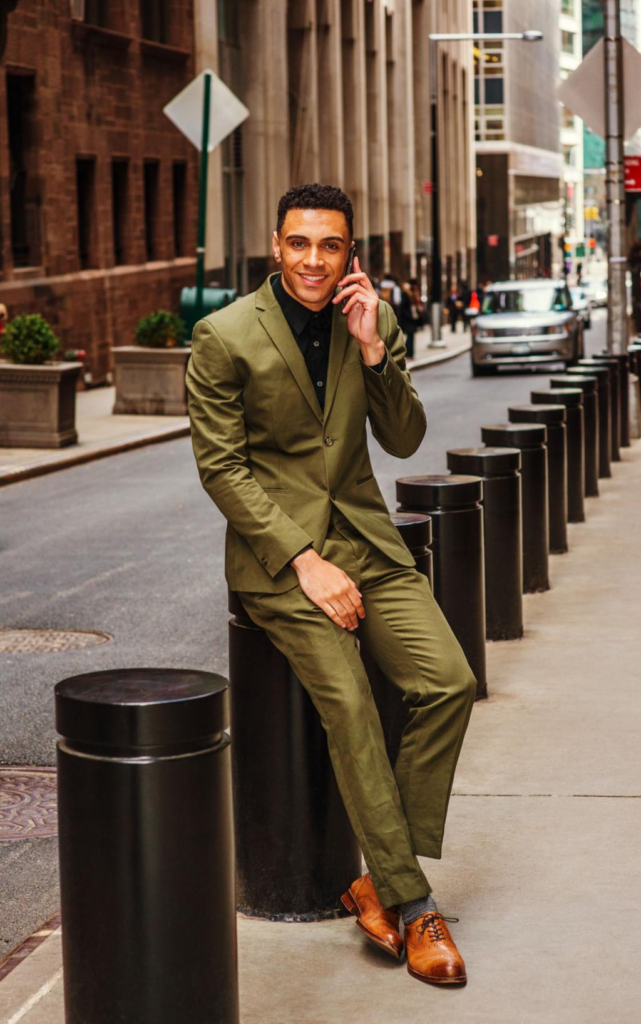
For example, olive chinos, a white shirt, and brown loafers create a balanced look that works in numerous settings. Small accents such as watches, pocket squares, or knitwear can then add personality without overwhelming the outfit.
The goal is cohesion rather than attention-seeking contrast.

They Pay Attention to Fabric Quality
Experienced dressers often notice fabric before they notice branding.
Fabric quality affects comfort, appearance, durability, and garment longevity. Well-dressed men understand that premium materials often age better and maintain their shape longer.
Popular fabric choices include:
- Cotton for everyday versatility
- Merino wool for knitwear
- Linen for warm-weather dressing
- Wool blends for tailoring
- Suede for footwear and outerwear
Understanding seasonal fabrics also improves comfort. Linen shirts during summer and wool overshirts during colder months allow men to dress appropriately while maintaining style.
Fabric awareness is becoming a distinguishing characteristic of modern fashion literacy.
They Develop a Consistent Personal Style
One misconception about fashion is that stylish men constantly reinvent themselves.
In reality, many of the best-dressed men have recognizable style identities. Their wardrobes reflect consistency rather than constant experimentation.
Personal style often emerges through repeated preferences:
- Preferred color palettes
- Favorite silhouettes
- Signature accessories
- Consistent footwear choices
- Reliable brands
For example, one professional may consistently favor tailored business-casual outfits, while another gravitates toward elevated workwear and rugged Americana influences.
Neither approach is inherently better. The key is authenticity and consistency.
A defined style simplifies purchasing decisions and prevents wardrobes from becoming collections of unrelated items.
Grooming Has Become Part of the Style Equation
Fashion and grooming increasingly work together.
Well-dressed men understand that clothing alone cannot create a polished appearance. Hair, skincare, facial hair maintenance, and overall presentation play significant roles.
Common grooming habits include:
- Regular haircuts
- Daily skincare routines
- Beard maintenance
- Proper nail care
- Consistent fragrance use
A simple outfit often appears more refined when paired with strong grooming habits.
Many style professionals note that grooming improvements frequently deliver more visible results than expensive wardrobe upgrades.
This explains why many modern men’s style guides treat grooming as an essential component of fashion rather than a separate category.
They Dress for the Occasion
One habit that consistently separates stylish men from average dressers is situational awareness.
The most fashionable men understand context. They know when casual attire is appropriate and when elevated clothing creates a better impression.
Examples include:
- Smart casual for dinner reservations
- Business casual for professional networking
- Relaxed tailoring for social events
- Athletic wear reserved primarily for fitness activities
This doesn’t mean adhering to rigid dress codes. Instead, it involves understanding expectations and making intentional choices.
Appropriate dressing demonstrates confidence, respect, and social awareness.
They Take Care of Their Clothing
A quality wardrobe requires maintenance.
Well-dressed men often extend the life of garments through proper care habits that many consumers overlook.
Important clothing maintenance practices include:
- Using wooden hangers
- Rotating shoes
- Following care labels
- Steaming garments when necessary
- Storing seasonal items properly
- Repairing minor damage early
Proper maintenance preserves appearance and protects financial investments.
A well-maintained five-year-old jacket often looks better than a neglected new one.
They Focus on Details
The difference between looking dressed and looking well-dressed often comes down to details.
Small refinements create a significant visual impact.
Examples include:
- Clean footwear
- Proper sleeve length
- Matching leather accessories
- Pressed shirts
- Well-maintained watches
- Appropriate sock choices
These elements may not immediately attract attention individually, but collectively they contribute to a polished appearance.
Attention to detail communicates intentionality and confidence.
Why These Habits Matter Beyond Appearance
Fashion is often viewed as superficial, but clothing influences first impressions, professional opportunities, and self-perception.
Research in workplace psychology has suggested that appearance can affect confidence and how individuals are perceived in professional settings. While clothing alone does not determine success, presenting oneself thoughtfully can support communication, credibility, and personal confidence.
The habits discussed throughout this article are ultimately less about trends and more about discipline, self-awareness, and intentional decision-making.
Well-dressed men are not necessarily spending more money than everyone else. They are simply making more deliberate choices.

Frequently Asked Questions
1. What is the biggest fashion mistake men make?
Poor fit remains one of the most common mistakes. Clothing that is too large or too tight can undermine an otherwise strong outfit.
2. How many clothes should a man own?
There is no universal number. Most style experts recommend owning enough versatile pieces to create multiple outfit combinations without excessive duplication.
3. Are expensive clothes necessary to look stylish?
No. Proper fit, coordination, and maintenance often matter more than brand names or price tags.
4. What colors should every man have in his wardrobe?
Navy, gray, white, black, olive, and beige provide a versatile foundation for most wardrobes.
5. How often should men update their wardrobe?
Most wardrobes benefit from gradual updates throughout the year rather than complete replacements.
6. What shoes are considered essential for men?
White sneakers, brown leather dress shoes, loafers, and versatile boots are among the most practical options.
7. Is tailoring worth the cost?
In many cases, yes. Basic alterations can dramatically improve fit and overall appearance.
8. How important is grooming compared to clothing?
Both are important. Excellent grooming can significantly enhance the impact of even simple outfits.
9. What is the easiest way to improve personal style?
Start by improving fit, simplifying color choices, and investing in versatile wardrobe essentials.
10. Are fashion trends still important?
Trends can provide inspiration, but timeless style habits generally offer greater long-term value.