
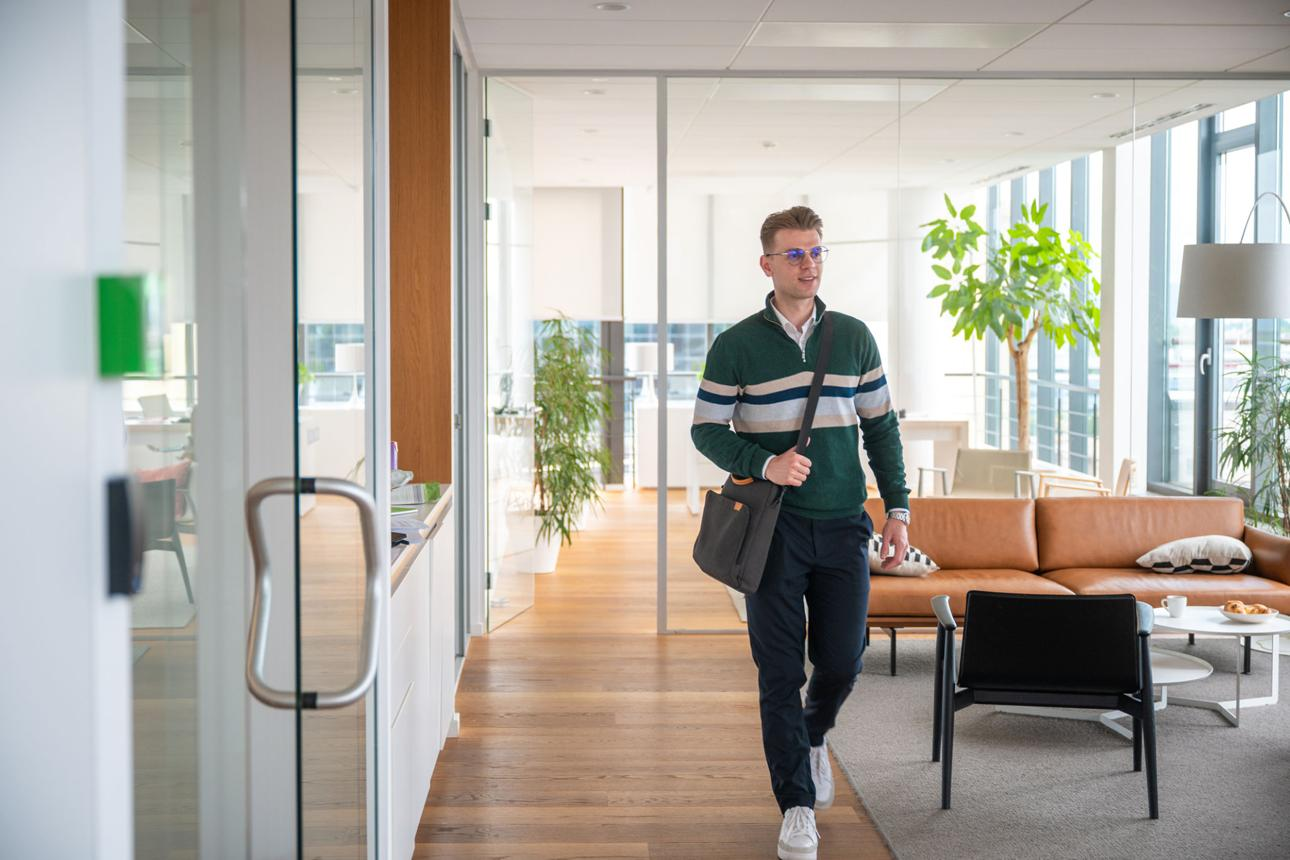
Men’s fashion in 2026 is shifting away from rigid dress codes and toward comfort, versatility, and personal expression. While tailored clothing remains relevant, relaxed silhouettes, elevated basics, sustainable purchasing habits, and hybrid work lifestyles are reshaping wardrobes across America. Today’s consumers are prioritizing practicality, quality, and long-term value over trend-chasing, creating a more flexible and individualized approach to style.
Introduction
For decades, men’s fashion followed a relatively predictable formula. Professional success often meant tailored suits, polished dress shoes, and carefully structured wardrobes. Casualwear existed, but it rarely occupied the center of fashion conversations.
That landscape looks noticeably different in 2026.
Across the United States, changing workplace expectations, evolving social norms, and growing consumer awareness have altered what men want from their clothing. The modern wardrobe is no longer divided strictly between business attire and weekend wear. Instead, versatility has become the dominant priority.
Today’s consumers expect clothing to transition seamlessly between work, travel, social gatherings, and everyday life. As a result, designers, retailers, and fashion brands are responding with collections that emphasize comfort, adaptability, and personal style without sacrificing sophistication.
The result is not the disappearance of tailoring but rather its evolution into something more relaxed, practical, and reflective of modern lifestyles.
Why Are Men’s Fashion Priorities Changing?
Several cultural and economic factors are influencing the shift.
The rise of hybrid and remote work has dramatically reduced the daily need for formal office attire. Millions of Americans no longer commute five days per week, changing the role clothing plays in everyday life.
At the same time, consumers have become more selective with spending. Rather than purchasing numerous trend-driven items, many men now focus on fewer, higher-quality pieces that can serve multiple purposes.
Social media has also expanded fashion inspiration beyond traditional luxury brands. Men are increasingly exposed to athletes, creators, entrepreneurs, and everyday professionals who demonstrate a wide range of personal styles.
These influences have created a marketplace where comfort and versatility carry nearly as much value as appearance.
The Decline of Strict Formality
Formalwear has not disappeared, but its role has changed significantly.
Traditional business suits remain important in industries such as law, finance, government, and executive leadership. However, many workplaces now embrace business-casual or smart-casual dress standards.
Instead of complete suits, men increasingly favor combinations such as:
- Unstructured blazers
- Knit polos
- Premium chinos
- Tailored trousers with relaxed fits
- Minimalist leather sneakers
- Soft-shoulder jackets
These garments offer a polished appearance while allowing greater comfort throughout the day.
A professional attending meetings may wear tailored trousers and a knit polo instead of a full suit and tie. The overall presentation remains sophisticated but feels less rigid and more approachable.
This trend reflects broader changes in workplace culture, where professionalism is increasingly defined by performance and communication rather than strict dress codes.
The Rise of Relaxed Tailoring
One of the most significant fashion developments of 2026 is the popularity of relaxed tailoring.
Rather than eliminating tailoring altogether, designers are reimagining it.
Modern tailored garments feature:
- Softer construction
- Wider leg openings
- More natural shoulder lines
- Flexible fabrics
- Increased mobility
The goal is balance.
Consumers still appreciate the visual structure that tailoring provides, but they no longer want clothing that feels restrictive.
A modern blazer may incorporate stretch materials, lightweight construction, and less internal padding. Trousers may maintain clean lines while offering a roomier fit through the thigh and calf.
The result is clothing that looks refined without feeling overly formal.
How Comfort Became a Luxury Feature
Comfort has emerged as one of the strongest purchasing factors in men’s fashion.
Historically, luxury often emphasized exclusivity, craftsmanship, and prestige. Today, consumers increasingly associate luxury with wearability.
Premium fabrics such as:
- Merino wool
- Organic cotton
- Cashmere blends
- Performance knits
- Technical stretch fabrics
allow garments to deliver both comfort and visual appeal.
This shift is particularly visible in categories once associated with discomfort.
Dress shoes now feature athletic-inspired cushioning. Tailored pants incorporate flexible waistbands. Jackets use lightweight fabrics designed for year-round wear.
Consumers increasingly expect clothing to support active lifestyles rather than restrict them.
Are Men Buying Fewer Clothes?
In many cases, yes.
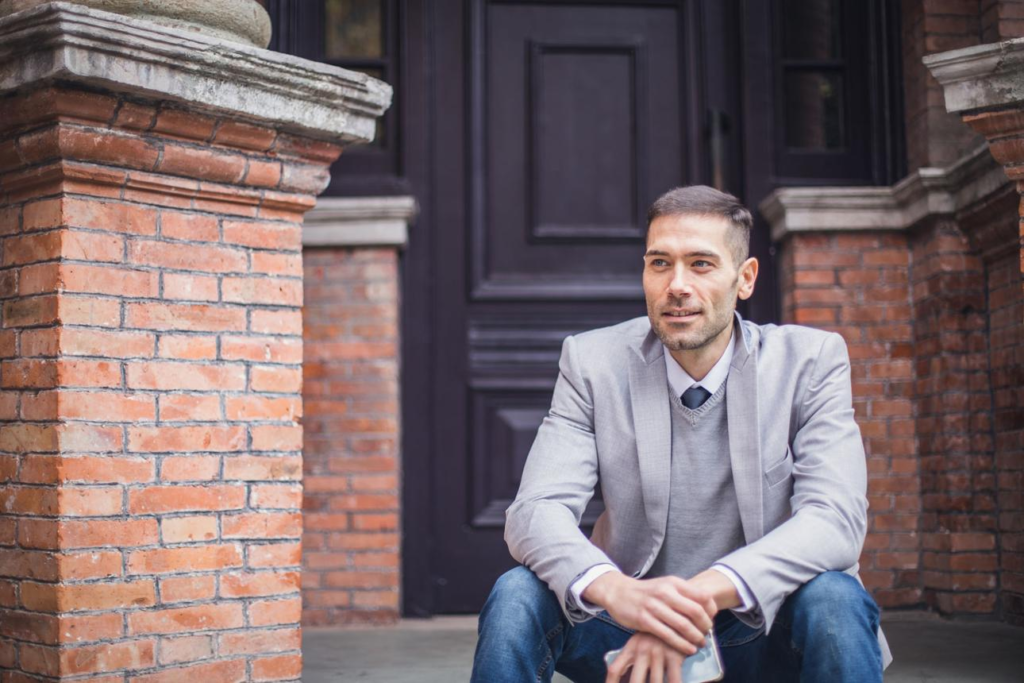
The concept of the capsule wardrobe continues gaining momentum among American consumers.
Rather than purchasing large quantities of inexpensive clothing, many men are investing in a smaller collection of versatile pieces.
Typical wardrobe priorities now include:
- High-quality white shirts
- Neutral knitwear
- Well-fitted trousers
- Versatile outerwear
- Premium denim
- Comfortable footwear
The objective is maximizing outfit combinations while minimizing unnecessary purchases.
This approach aligns with broader consumer interest in value, sustainability, and long-term durability.
A man may purchase one exceptional jacket that works across multiple seasons instead of buying several lower-quality alternatives.
Sustainability Is Influencing Purchasing Decisions
Environmental awareness continues to influence fashion consumption.
While price remains an important factor, many consumers are asking new questions before making purchases:
- How long will this item last?
- What materials were used?
- Can it be styled in multiple ways?
- Is it worth repairing instead of replacing?
Brands are responding through improved transparency, recycled materials, and longer-lasting construction.
Consumers are also becoming more comfortable purchasing secondhand fashion, particularly premium outerwear, denim, watches, and luxury accessories.
The growth of resale platforms has helped normalize pre-owned shopping among male consumers who previously focused exclusively on new products.
The Influence of Athleisure Continues
Athleisure remains one of the most influential forces shaping modern menswear.
The category has matured significantly since its early popularity.
In 2026, consumers are looking for clothing that performs across multiple environments.
Examples include:
- Technical overshirts
- Performance trousers
- Premium joggers
- Hybrid sneakers
- Moisture-wicking polos
- Stretch outerwear
These pieces blend athletic functionality with everyday style.
A traveler can move from an airport to a casual business meeting without changing outfits. This flexibility appeals to professionals who value efficiency and practicality.
Rather than appearing overtly athletic, modern athleisure focuses on subtle performance benefits hidden within classic silhouettes.
What Role Does Personal Expression Play?
Personal style is becoming increasingly important.
Past generations often followed narrower fashion expectations based on age, profession, or social status.
Today’s consumers have greater freedom to experiment.
Men are mixing influences from:
- Classic menswear
- Streetwear
- Workwear
- Athletic apparel
- Vintage fashion
- Contemporary luxury
As a result, wardrobes feel more individualized.
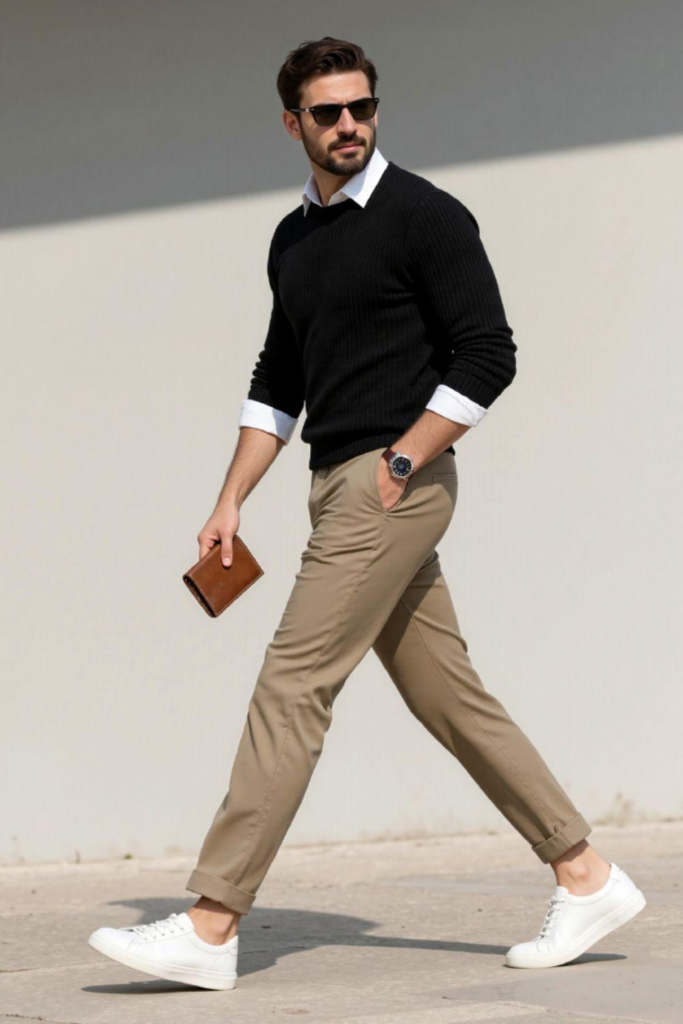
One professional may pair tailored trousers with minimalist sneakers. Another may combine vintage denim with luxury knitwear.
The emphasis has shifted from following strict rules to creating a cohesive personal aesthetic.
The New Importance of Footwear
Footwear has become one of the most influential elements of modern style.
In previous decades, dress shoes often dominated professional settings. Today, premium sneakers occupy a much larger role.
Popular footwear priorities include:
- Comfort
- Versatility
- Durability
- Minimalist design
- All-day wearability
Clean leather sneakers, suede trainers, and refined hybrid shoes are frequently replacing traditional oxfords in many environments.
This shift reflects broader fashion priorities that emphasize function alongside appearance.
Consumers increasingly expect one pair of shoes to perform across multiple occasions.
Technology’s Growing Impact on Fashion Choices
Technology is influencing purchasing decisions in several ways.
Online shopping platforms now provide:
- Virtual fit tools
- Size recommendations
- Detailed product reviews
- Fabric demonstrations
- Style inspiration
These resources help consumers make more informed purchasing decisions.
Social platforms also accelerate trend awareness while exposing shoppers to diverse styling perspectives.
However, many consumers are becoming more selective about trend adoption.
Rather than copying every viral look, men increasingly evaluate whether a style aligns with their lifestyle and long-term wardrobe goals.
What Does the Future of Men’s Fashion Look Like?
The direction appears clear.
Future growth will likely focus on clothing that combines:
- Comfort
- Functionality
- Quality
- Sustainability
- Personal expression
Formalwear will continue evolving rather than disappearing.
Tailoring will remain relevant, particularly for important professional and social occasions. However, it will coexist with relaxed silhouettes and versatile garments designed for modern lifestyles.
The most successful brands will likely be those that balance style and practicality rather than emphasizing one at the expense of the other.
For consumers, this creates greater freedom to build wardrobes that genuinely reflect individual needs.
Frequently Asked Questions
1. Is formal menswear disappearing in 2026?
No. Formalwear remains important for professional, ceremonial, and special occasions. However, it is being worn less frequently and often features more relaxed construction.
2. What is relaxed tailoring?
Relaxed tailoring refers to structured clothing with softer fabrics, less rigid construction, and more comfortable fits while maintaining a polished appearance.
3. Why are oversized fits becoming more popular?
Consumers increasingly value comfort, mobility, and versatility. Relaxed fits often provide these benefits without sacrificing style.
4. Are suits still worth buying?
Yes. A well-made suit remains a valuable wardrobe investment, especially for weddings, business events, and formal occasions.
5. What is a capsule wardrobe?
A capsule wardrobe consists of a small collection of versatile clothing pieces that can be mixed and matched to create numerous outfits.
6. Is sustainability important in men’s fashion?
Increasingly so. Many consumers now consider durability, material sourcing, and long-term value when making purchases.
7. How has remote work influenced fashion?
Remote and hybrid work have reduced demand for traditional office attire while increasing interest in comfortable, versatile clothing.
8. Are sneakers acceptable in professional environments?
In many workplaces, clean and minimalist sneakers are now acceptable when paired with smart-casual attire.
9. What fabrics are popular in 2026?
Merino wool, organic cotton, technical performance fabrics, linen blends, and stretch materials remain highly popular.
10. What is the biggest trend shaping men’s fashion today?
The movement toward versatility—clothing that balances comfort, style, functionality, and adaptability across different situations.